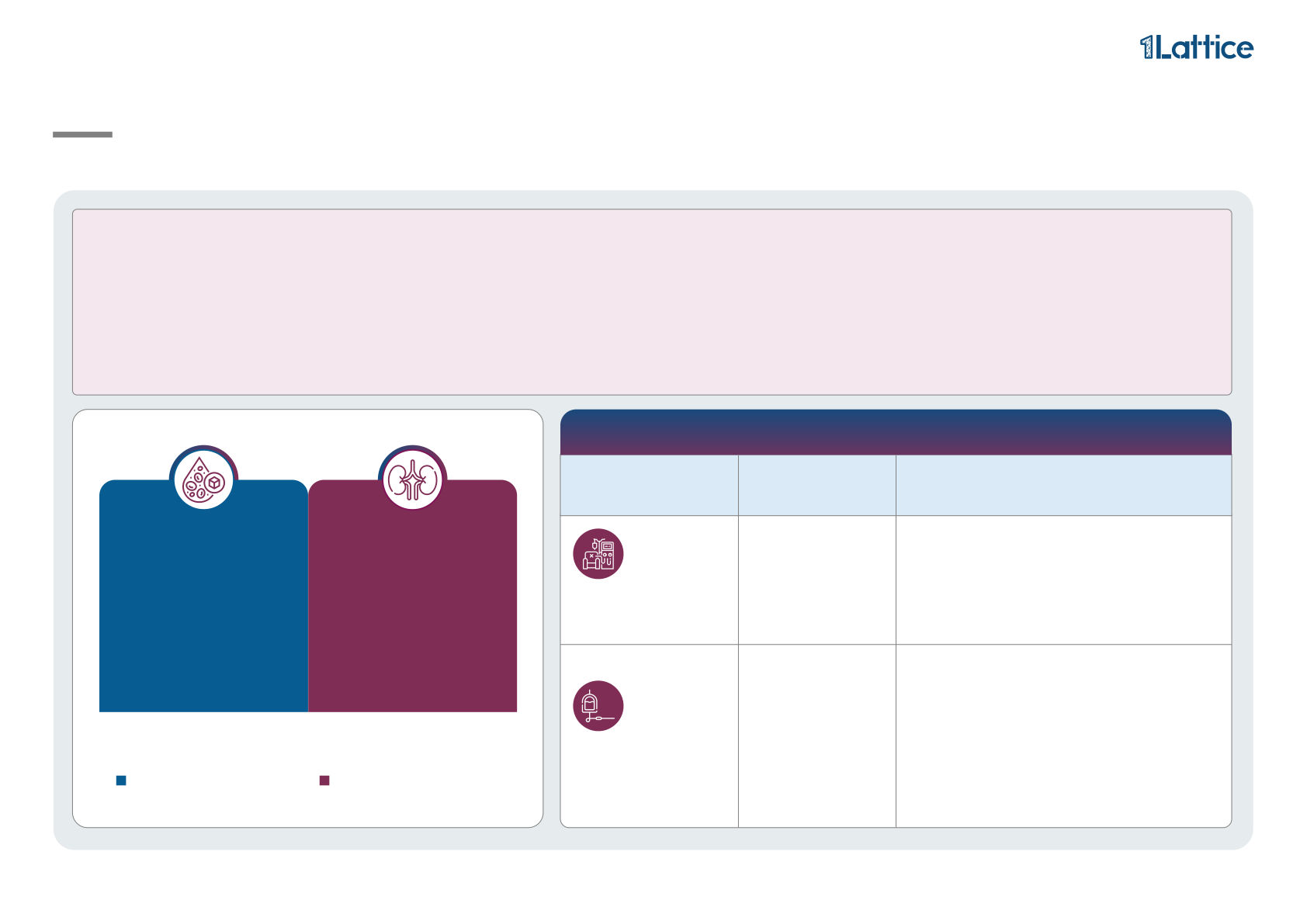
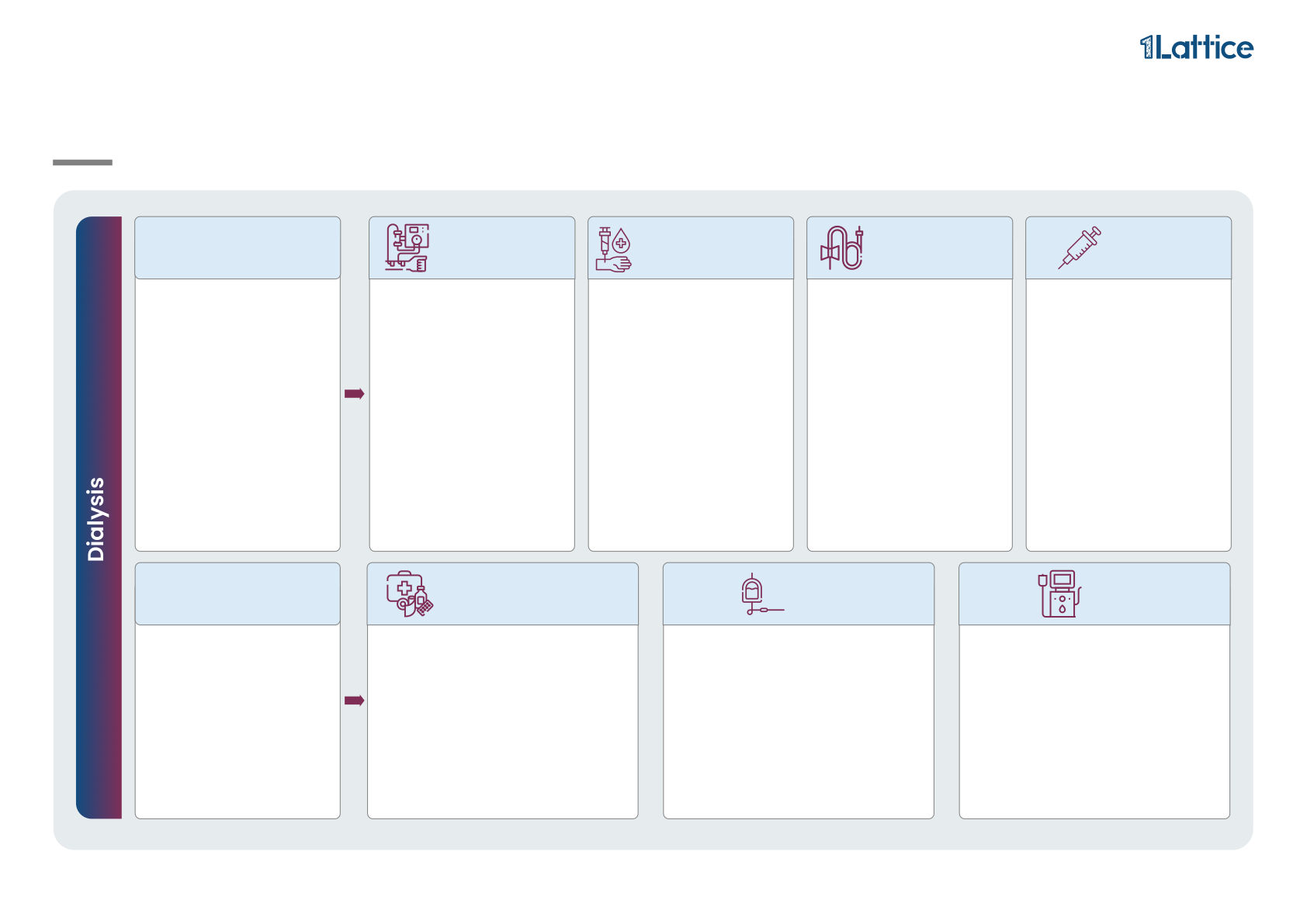
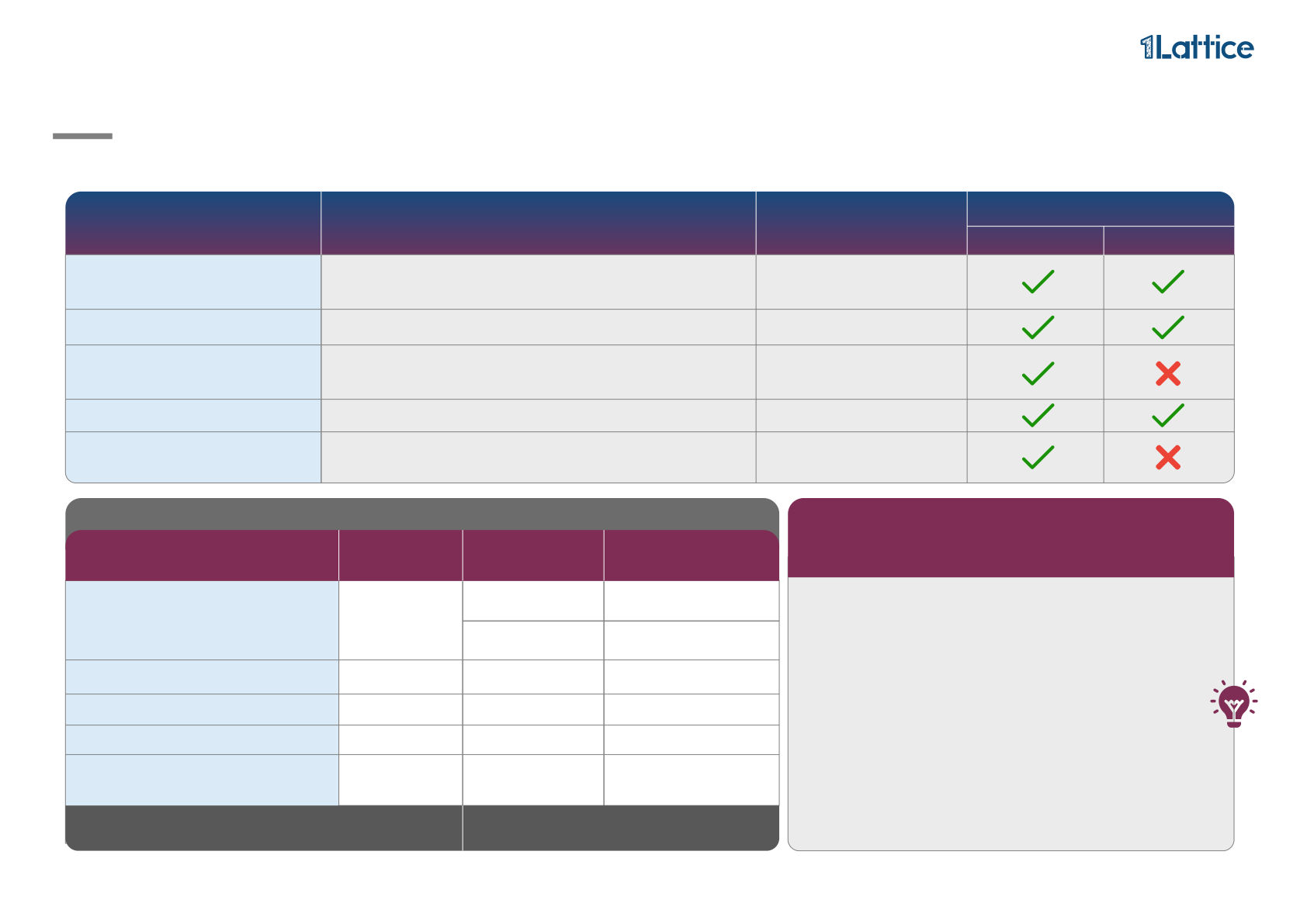
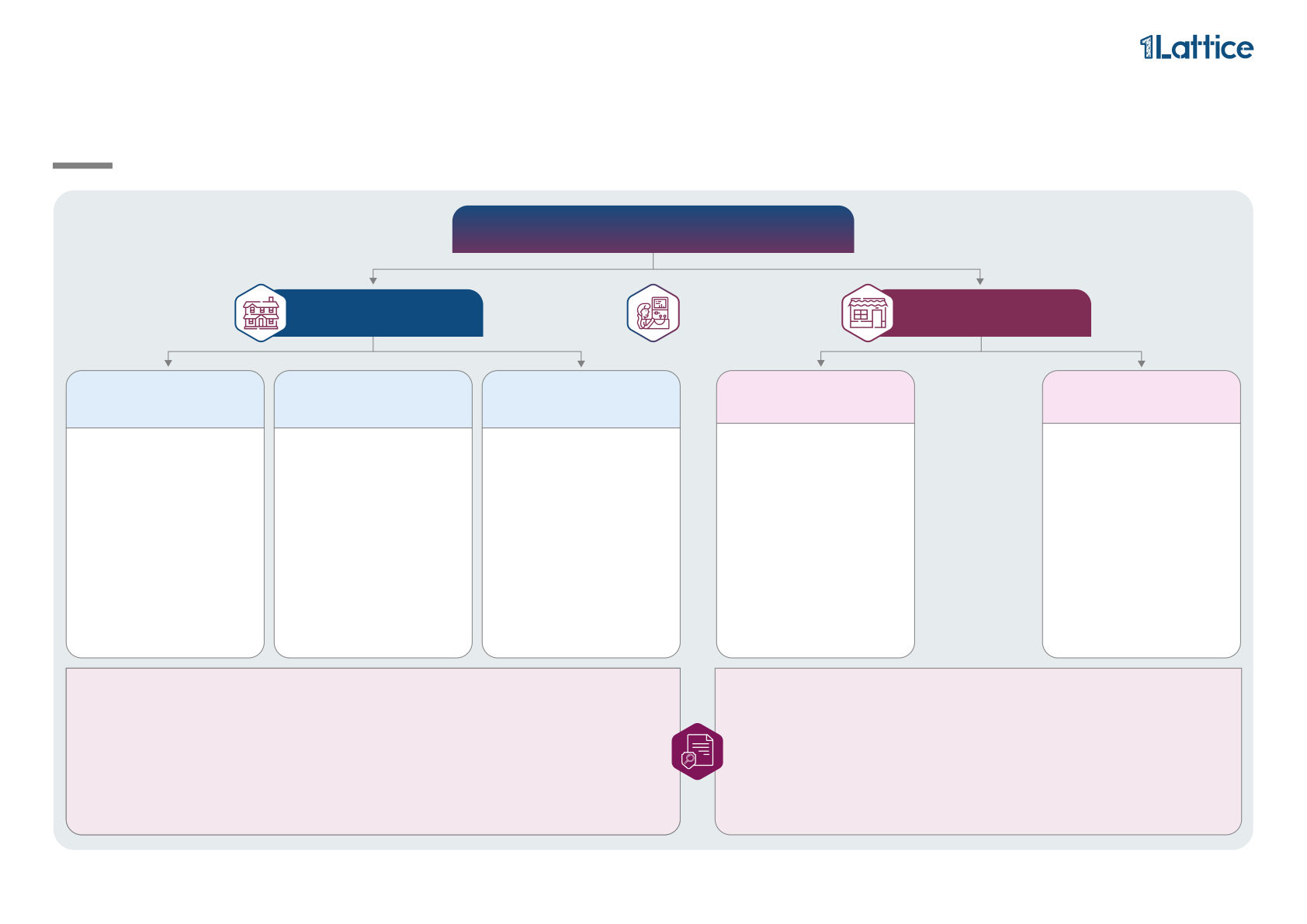
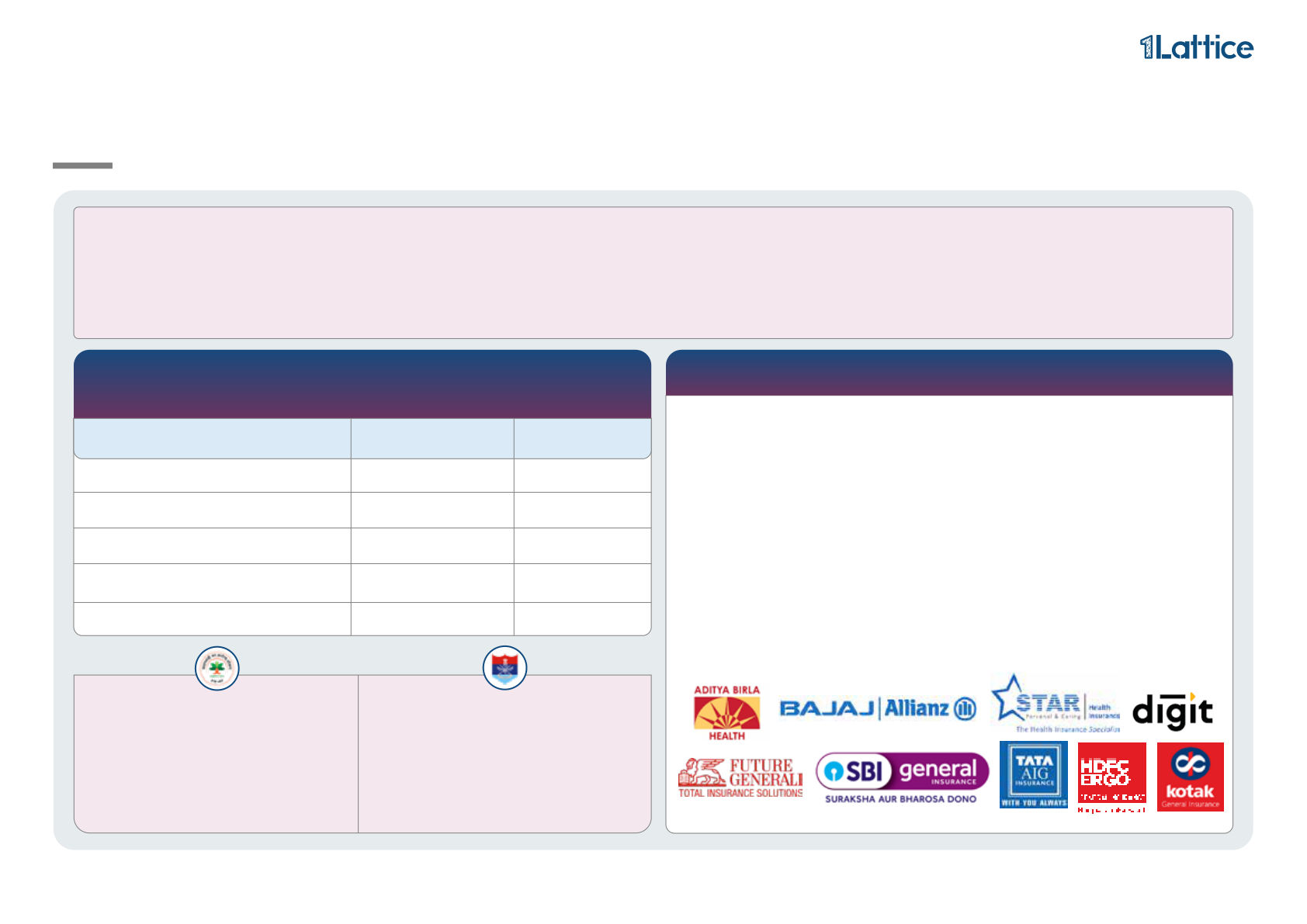
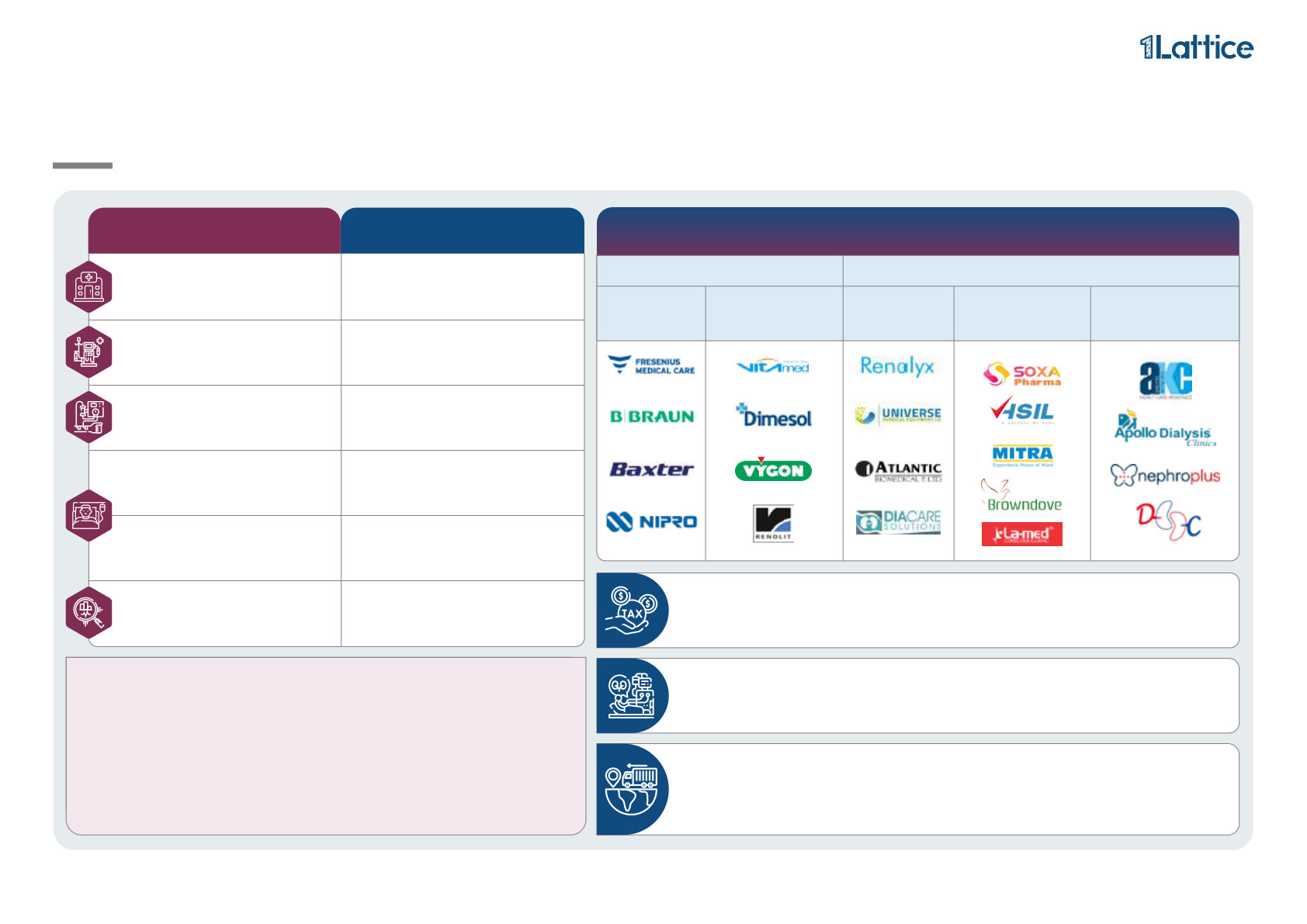
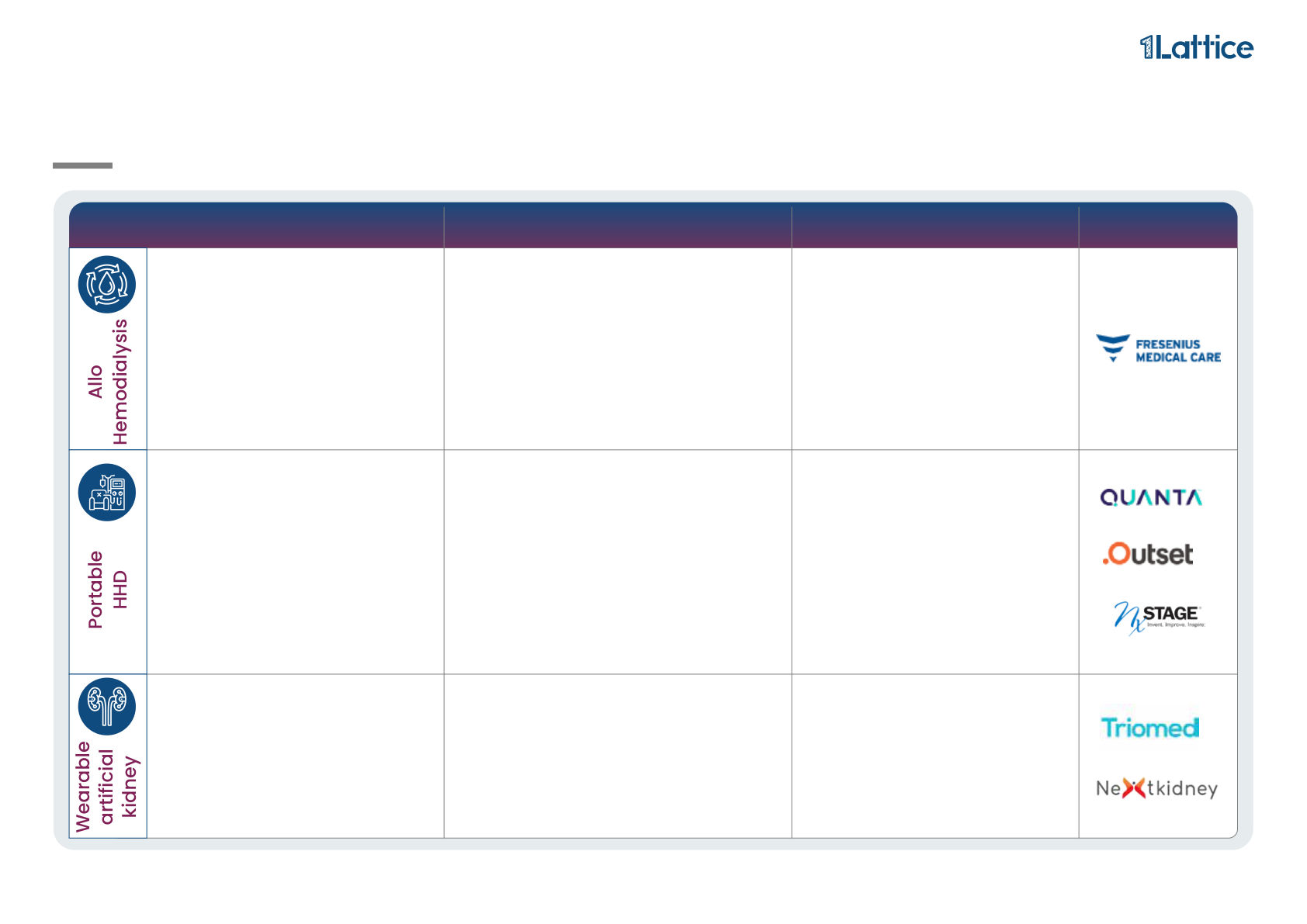
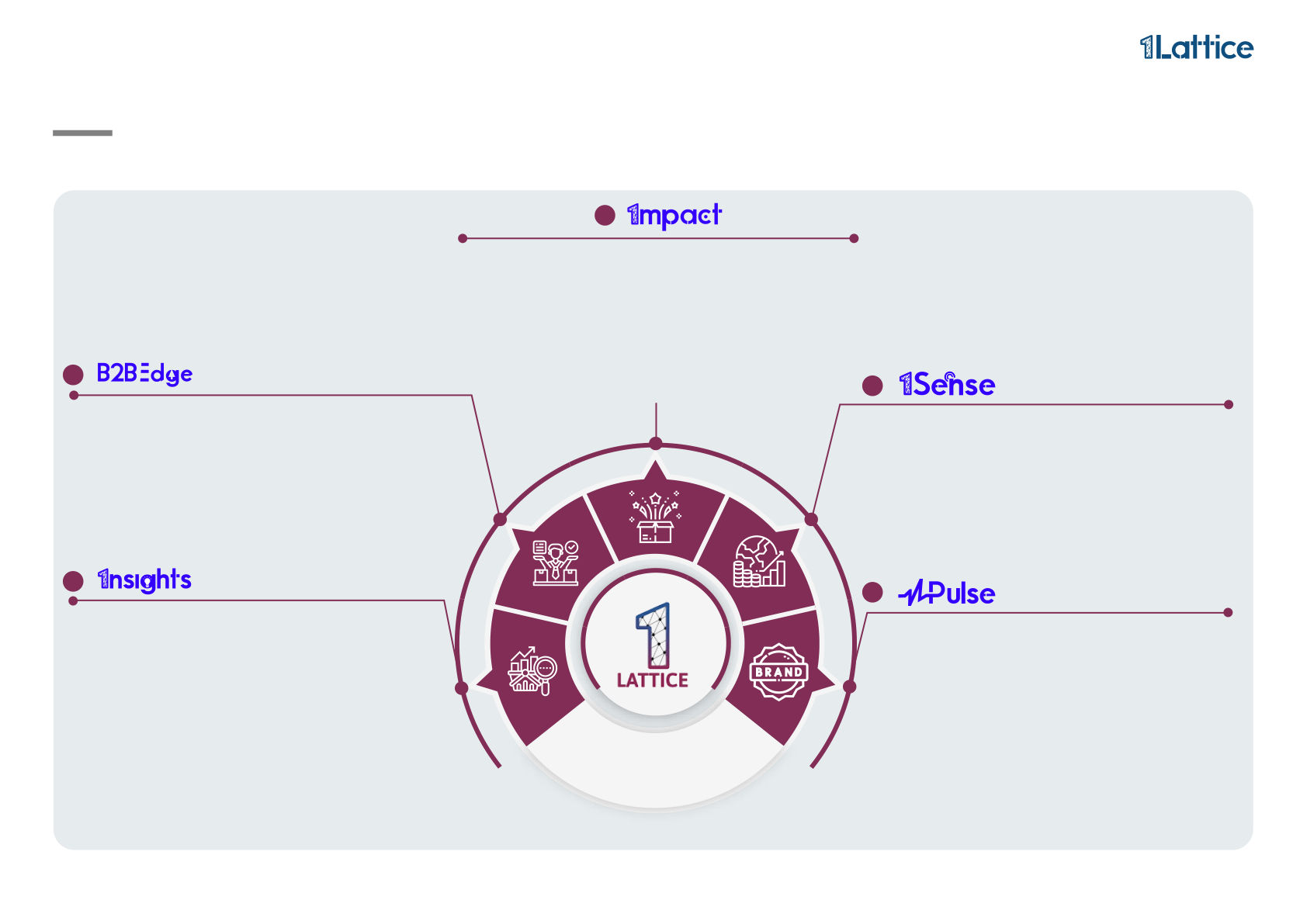
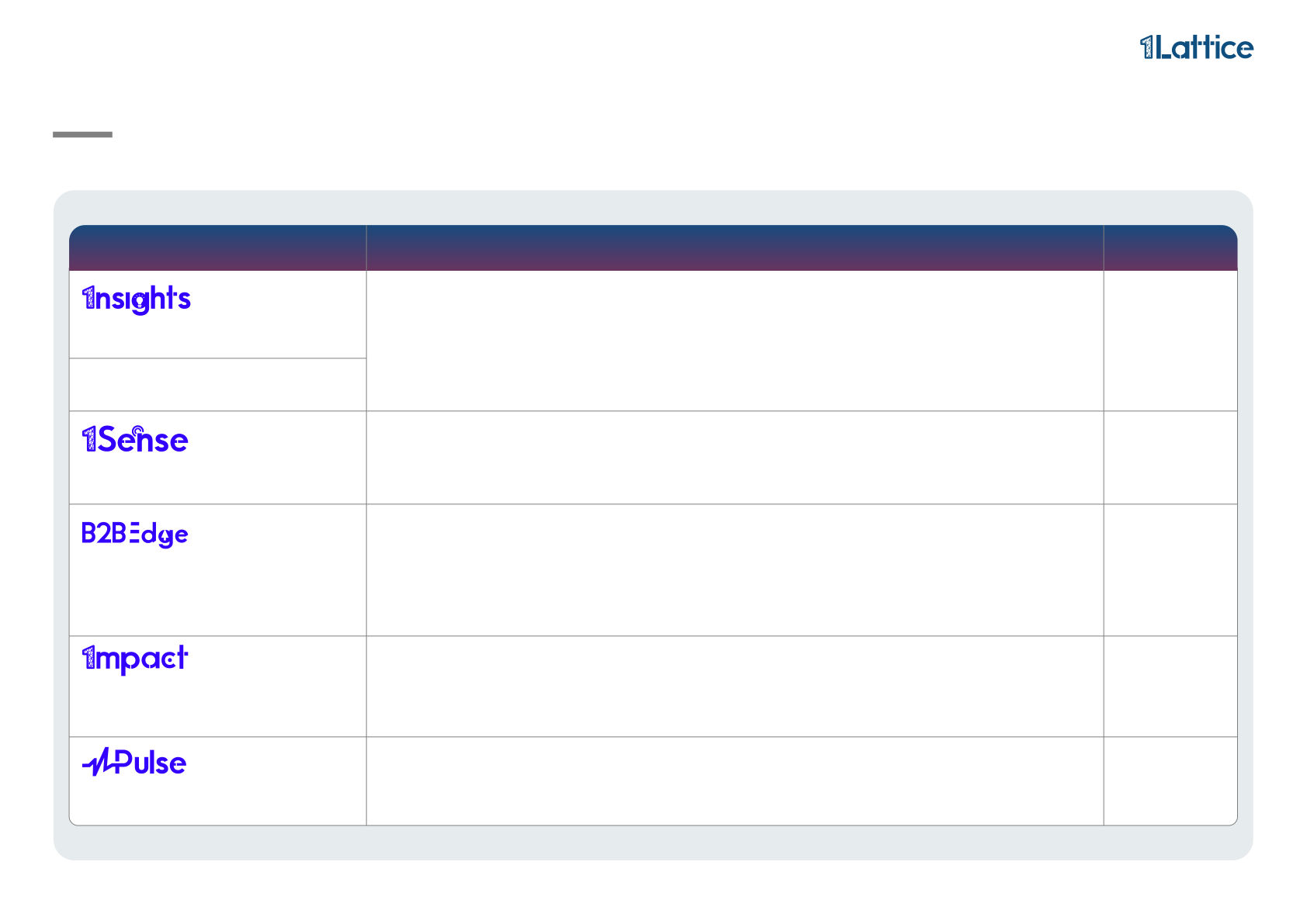
Dialysis Market Opportunity Assessment MedTech & Healthcare Service Providers December 2023 @Lattice Technologies Pvt. Ltd. What we do for MedTech and Healthcare Service Provider companies At 1lattice, we proudly tailor our array of solutions to meet the product helps with insightful micro-market assessments to unique needs of our esteemed clients in the MedTech and facilitate expansion into new geographies, whether it be Healthcare Service Provider sectors. Our flagship product, new locations within bustling Metro and Tier 1 cities or 1Insights, consistently takes center stage in these burgeoning Tier 2 and Tier 3+ cities. We also offer partnerships. unparalleled competitive intelligence, in-depth pricing analysis, expert evaluation of clinical specialties for the For MedTech companies, 1nsights offers an extensive range establishment of new multispecialty hospitals, and rigorous of services, including market assessments with commercial due diligence for potential M&A opportunities. comprehensive market sizing, in-depth exploration of market potential and future outlook, precise customer 1nsights has been the linchpin in our efforts to create a segmentation and persona mapping, thorough competitive comprehensive and actionable dialysis market analysis landscape analysis, meticulous Van Westendorp pricing report. It provided us with the tools and data necessary to sensitivity assessments, expert MaxDiff and Conjoint understand the market landscape, identify opportunities, Analysis for product and service concepts, and rigorous and address challenges, empowering both MedTech and commercial due diligence for potential M&A opportunities. dialysis service providers to make informed decisions and thrive in the Indian dialysis market. In the case of Healthcare Service Providers, our 1nsights “There is a growing disease burden of End Stage accessible for the rural and underprivileged Renal Disease (ESRD) in India with an estimated 0.22 population. There are dialysis centers being run by Foreword M new patients being diagnosed every year. Diabetic private providers under the PMNDP scheme in Public nephropathy is the mostcommon cause of ESRD Private Partnership (PPP) mode with facilities for (44%) followed by other factors like chronic haemodialysis as well as peritoneal dialysis. As of glomerulonephritis and hypertensive date, there are about 1418 dialysis centres in 694 nephrosclerosis. India being the diabetes capital of districts under the PMNDP program with more than 21 the world with an estimated 101M people with lakh patients who availed of dialysis services. The diabetes as per the ICMR-INDIAB study, the incidence majority of the estimated 4950 dialysis facilities in of Chronic kidney disease (CKD) and ESRD are only India are still privately run (70%) as part of hospitals or going to increase to an alarming proportion in the by dialysis chains like Nephroplus, AKC and Apollo near future. With 90% of kidney transplants being Dialysis. With only about 32K haemodialysis machines dependent on live donors, only about 7500 kidney operational in India and growing at a CAGR of about transplants are happening in a year. As a result, the 9%, there is a huge demand-supply gap which is only majority of ESRD patients require dialysis to sustain going to widen in the near future. The demand-supply life. There are mainly two types of dialysis procedures gap can be addressed to some extent by increasing – haemodialysis and peritoneal dialysis with almost the peritoneal dialysis, which is currently only 5% 95% of dialysis happening in India by haemodialysis volume, primarily due to high cost, compared to China technique. Haemodialysis requires significant capital (14%), Singapore (12.5%), Thailand (65%), and Malaysia investment mainly on the haemodialysis machine (10%). The cost of peritoneal dialysis should come and RO plant along with high consumables cost. In down with increased volume. In this report, we have India, solving the puzzle of the iron triangle of access, analyzed the dialysis market in India, looked at the cost and quality is extremely challenging for dialysis, current scenario, demand-supply gap, emerging with about 69% of the population living in rural areas. technologies, key growth drivers, and barriers which should provide good insights for the MedTech as well The Government of India started the Pradhan Mantri as dialysis service provider companies to have a National Dialysis Program (PMNDP) in 2016 as a major better understanding of the market potential and initiative to solve the puzzle of access, cost, and invest in the right strategies for increased market quality, by making quality dialysis affordable and penetration and market share” Sanjay Sachdeva Senior Vice President Healthcare & Life Sciences 1Lattice Overview Overview of dialysis market • Dialysis is performed to remove extra fluid and waste products from the blood when normal kidney functioning ceases • Regular dialysis (two to three times a week) is advised for patients of End-Stage Renal Disease ESRD • Every year, about 0.22M new patients in India are diagnosed with End-Stage Renal Disease (ESRD), resulting in an additional demand for 34M dialysis every year • India has at present approximately 4950 dialysis centers, ~70% is in the private sector • An estimated 197K patients underwent dialysis in 2022; majority (~94%) of the affected population opt for hemodialysis over peritoneal dialysis Dialysis for a private setting Annual Method Assumptions Expense (US$) • Three dialysis a week performed • Diabetic • Acute kidney injury in private setting nephropathy • Rhabdomyolysis 4.2K – 7.8K • Catheterization costs included • Hypertensive • Multiple myeloma Haemodialysis nephrosclerosis • Travel and lodging expenses (HD) excluded • Glomerulonephritis • Polycystic kidney • Four sessions of two litres CCPD disease exchange per night performed seven days a week at home • Dialysis machine rented at US$ 125 10K – 12K Dialysis patients Peritoneal dialysis per month (PD) Continuous dialysis Short-term dialysis • Catheterization costs included • Patient training costs excluded Note: CAPD: Continuous ambulatory peritoneal dialysis, 1US$ = INR 80 © 1Lattice | 04 Sources: Ministry of Health and Family welfare, PIB, 1Lattice Analysis Dialysis Dialysis is the most common procedure for end-stage renal disease usually; Key products used in dialysis procedures Arteriovenous AV graft Haemodialysis HD devices HD catheter (AV) fistula • Blood is filtered • Haemodialysis • Description: • Description: • Description: through an artificial machine Surgically created Short-term or Surgically created kidney connection emergency access path between an • Transducer (hemodialyzer) to between an artery through a catheter artery and a vein Protector remove waste and and a vein, usually inserted into a vein using a flexible, • Bibag extra fluid in the arm in the neck, chest or synthetic tube • Citrosteril liquid leg called a graft • Usage frequency: • Product used: • Disinfectant two-three times per • Product used: • Product used: - AV Fistula needle • Dialyzer week - HD catheter (Y - Graft (synthetic - EndoAVF device • HD dialysate shaped) or bovine) • Acid concentrate - Inside-Out Access - AV fistula needle • Blood tubing set Catheter System CCPD Peritoneal dialysis PD consumables CAPD • Blood is filtered by • Common PD consumables • Description: The abdomen • Description: Machine cycles the peritoneum, a used – is filled and drained the fluid in & out of the membrane in the manually abdomen - PD dialysate abdomen, through • Usually performed while the • Usually done at night while - PD catheter the aid of a fluid patient is awake the patient is asleep - Blood tubing set called dialysate • Product used: • Product used: - Transducer Protector • Usage frequency: - CAPD bag - PD Machine (automated - Disinfectant three times per day cycler) Note(s): CAPD is Continuous ambulatory peritoneal dialysis, CCPD is Continuous cyclic peritoneal dialysis © 1Lattice | 05 Sources(s): Knowledge base, 1Lattice analysis Type and cost breakup Types of dialysis centres and cost breakup Availability of machines Types of centers Description Source of funds HD PD Run and funded by the government to cater Government dialysis Government treasury to need of under-privileged centers Private dialysis centers Profit basis Private hospital-based dialysis centers Centers run by charitable organizations offering Charitable dialysis Donations & Charities centers subsidized dialysis services Corporate dialysis chains Single speciality chains of dialysis service providers Cost & profit per session Portable dialysis machines for patients with Government and private Mobile dialysis units limited accessibility to service and treatment funding Cost breakup of dialysis centers Methods of purchase of Capital Amount Recurring Amount dialysis machines expenses (US$) expenses / month (US$) • Key accounts Haemodialysis machine Disposables 0.29K (assuming 7 dialysis 10K x 7* = 70K - Direct sales to key accounts machines per center) Medications 0.18K - Volume purchases Peritoneal dialysis machine - Government and public healthcare key 8.5K Waste disposal 0.29K accounts RO plant 16.25K Staffing 0.5K • Traditional methods Back-up power systems 0.6K Facility costs 1.2K - Public and private healthcare facilities Safety & security systems Water and 2.4K 0.6K - Medical equipment financing schemes by power the government Recurring expenditure = US$ 3.06K Capital expenditure = US$ 97.75K - Partnerships and collaborations / month Source(s): Media reports, research reports, company websites, 1Lattice analysis © 1Lattice | 06 Private providers of dialysis services Demand for quality and service, technological advancements drive growth for large scale dialysis providers; Small scale providers dependent on government schemes Private providers of dialysis services Large scale Small scale Premium dialysis Standalone Renal transplant Specialist-owned Renal care centers dialysis centers centers dialysis centers facility • Specialists like • Standalone small • These centers • An average • In India, cost for urologist and scale dialysis charge an dialysis session renal transplant nephrologist offer centers which do average of US$ costs ~US$ 40 can range dialysis on a small not offer 62.5 per session between US$ • Brands like DCDC scale transplant 6.25K – 18.75K • Centers like XYZ & Nephroplus facilities • Such centers providing offer dialysis • Around 6500 – usually • Dialysis sessions premium dialysis services in a 7500 renal accommodate can cost ~ US$ 30 services standalone setup transplant 2-3 dialysis in these centers surgeries take machines place annually Market drivers for large scale private services Market drivers for small scale private services • Increasing prevalence of Chronic Kidney Disease (CKD) • Increasing prevalence of Chronic Kidney Disease (CKD) • Quality of service • Decreased cost, usually paid for by many government schemes • Cost factor does not play a major barrier • Easy accessibility in rural areas • Well experienced and trained staff • Growing geriatric population and increase in awareness • Hygienic environment with latest technology and equipment Notes(s): 1US$ = INR 80 © 1Lattice | 07 Sources(s): Ayu health, Medsurge India, National Institute of Health (2020), Indian Dialysis Market Annual Report (2022), 1Lattice analysis Insurance Dialysis costs over US$ 2.25 K annually; covered by most insurance companies as a critical cover add on policy • The annual cost of haemodialysis in most private hospitals in India averages to US$ 5.5K (assuming the recommended 12 dialysis sessions a month). A peritoneal dialysis could cost up to US$ 12K annually • In case of most insurance policies, dialysis is treated as a day-care treatment where companies set co-payment and sub-limit clauses • Several government initiatives and special insurance policies however address the huge costs incurred during dialysis Governmnent reimbursement Private insurance (in empaneled hospitals, US $) • From 1st Oct 2020, PD is also covered under insurance as per IRDAI regulations. Insurance had traditionally covered only HD Non-NABH NABH • Critical illness add-on policy cover expenses related to Peritoneal dialysis 18.3 21.0 kidney failure such as dialysis or kidney transplant Acute peritoneal dialysis • A lump sum amount (sum insured) is paid post the survival 18.1 20.9 period for a claim HD for seropositive cases 20.6 23.8 • Average maximum sum insured (among 18 insurance providers) was US$ 62.5K HD for seronegative cases 17.5 20.1 • One of the plans by Care Freedom Health Insurance offers Sustained low-efficiency HD 15.6 18.0 coverage for dialysis treatment up to ~US$ 12 per sitting for a maximum of 24 months Under the Pradhan Mantri Non-pensioner ESM of all ranks National Dialysis Program, and widows receive a maximum dialysis is free of cost to of US$ 1.5K (one time) for beneficiaries below poverty line treatment of dialysis subject to at district hospitals in the a maximum of US$ 900 per country annum Note: CGHS package rates for Delhi and NCR updated on 5 June 2023, ESM – Ex Servicemen, 1US$ = INR 80 © 1Lattice | 08 Source: Policy Bazaar, Apex Kidney Foundation, SBI general insurance, 1Lattice analysis Demand – supply gap Currently there is an estimated gap of ~30K HD machines in India which can be bridged to some extent by increasing penetration of peritoneal dialysis Key players 2023 2028 International Indian Haemodialysis centers Haemodialysis centers ~5K ~7.5K Dialysis service Equipment Consumables Equipment Consumables provider HD machines HD machines ~32K ~53K Annual HD procedures Annual HD procedures ~28.5M ~43.5M Dialysis patients Dialysis patients ~185K ~300K Patients gap Patients gap ~200K ~217K • Dialysis services are exempt from GST. However, dialysis Gap in HD machines Gap in HD machines equipment are charged at 12% GST ~30K ~42K • Demand supply gap of HD machines in 2028 based on • Dialysis machines are classified as medium to high-risk assumptions: and classified as Class C under CDSCO - Growth rate of HD machines @ 9% (current rate) - Haemodialysis is still 94% of the total dialysis procedures • India imported 3,656 dialysis machines in 2021 • Demand supply gap can be bridged to some extent by • CDSCO is the central licensing authority approving increasing the % of peritoneal dialysis (currently in China – permissions for manufacture and import of dialysis machines 14%, Singapore – 12.5%, Thailand – 65%, and Malaysia – 10%) Source(s): PMNDP(2023), GlobeNewswire, 1Lattice analysis © 1Lattice | 09 Emerging technology Significant investment from global med-tech players has led to a surge in innovative technological advancement Technology Recent fundings Growth / Barriers Technology • Patient's blood flows counter to • High acceptance (~60%) that of a healthy buddy in the among caregivers and dialyzer, allowing solutes and healthcare providers fluids to be cleansed by the • Needs to address buddy's kidney function technological and ethical • The technology is currently in barriers involved its pre-clinical stage • Mini portable HHD devices to • Quanta raised US$ 245 M in 2021 to • Global home hemodialysis facilitate easy home accelerate commercialization of its market is valued at US$ 19 B hemodialysis SC+ portable hemodialysis system and expected to grow at a • Outset Medical raised US$ 278 M in an CAGR of ~11% from 2022 to IPO in September 2020 for its portable 2030 hemodialysis machine Tablo • NxStage Medical and its hemodialysis system-System One, was acquired by Fresenius Medical Care for US$ 2 B in February 2019 • Miniature externally mounted • In February 2023, NextKidney, raised • Alternate means of dialysate artificial kidney with power US$ 14.82 M in a Series B round of regeneration & waste removal module and vascular access funding needs to be worked on • Other viable option is a bio • Presently used for peritoneal artificial kidney which is dialysis, needs to find implanted into the body with application in hemodialysis as bio filters well Note(s): Implantable artificial kidneys and Allo Hemodialysis are still under clinical trials, HHD- Home Hemodialysis, 1US$ = INR 80 © 1Lattice | 10 Source(s): Karger vol 49, issue 1-2, news articles, company websites1Lattice analysis Government initiatives Government initiatives like the PPP model have helped increase penetration of dialysis market in India; As of Sept 2023, 2.07M people have availed services under PMNDP Pradhan Mantri National Dialysis Programme (PMNDP) • Launched in 2016 to provide free dialysis services to the economically weaker section of society in government and private hospitals • This initiative has been implemented with a total of 35 States/UT, in 569 Districts at 1045 centers by deploying 7129 hemodialysis machines • As of September 2023, 2.07 M patients have availed these services under PMNDP • Hemodialysis Services under PMNDP are operational in Private Public Partnership (PPP) mode in 14 States/UTs, in-house mode in 16 Ayushman Bharat - Pradhan Mantri Jan Arogya Yojana (PMJAY) • AB PM-JAY aims at providing a health cover of US$ 6.25K per family per year for secondary and tertiary care hospitalization to over 107.4 M poor and vulnerable families (approximately 500 M beneficiaries) that form bottom 40% of the Indian population. PM-JAY is fully funded by the Government and the cost of implementation is shared between the central and state governments • The revised edition of health benefits packages 2.2, launched on April 6, 2022 under this scheme, has eased kidney treatment and increased the dialysis patient's treatment benefits from US$ 18.75 – 22.50 which aims at benefitting the patients with ERSD Rashtriya Arogya Nidhi (RAN) • The maximum financial assistance provided under the umbrella scheme of RAN is US$ 18.75K. The categories of treatment covered by the fund includes dialysis & its consumables including vascular access consumables like shunts & catheters (for both HD and PD) • Revolving funds have been set up in 13 central government hospitals/institutes and funds up to US$ 62.5K (US$ 112.5K in case of AIIMS, New Delhi) are placed at their disposal for providing treatment up to US$ 2.5K in each case . Cases involving treatment beyond US$ 2.5K are referred to the Ministry of Health & Family Welfare, Government of India for providing funds State government schemes for promotion of affordability and accessibility of dialysis treatment • Various state governments in India have been working towards providing affordable & quality healthcare to people coming from low to middle-income households. Some of the initiatives are: - Provision of free peritoneal dialysis by the Kerela government - Rajasthan government’s Chiranjeevi Swathya Bima Yojana covering dialysis treatment - Maharashtra government’s joint initiative with MSRTC to provide free travel to dialysis patients - Makkalai Thedi Maruthuvam (MTM) scheme by the Tamil Nadu government providing Continuous Ambulatory Peritoneal Dialysis (CAPD) to patients Notes(s): ERSD – End Stage Renal Disease; MSRTC – Maharashtra State Road Transport Corporation, 1US$ = INR 80 © 1Lattice | 11 Source(s): PMNDP as of September 2023, National health authority Government of India, 1Lattice Analysis Growth drivers and barriers Increasing prevalence of CKD, rising demand for home dialysis, high cost of dialysis & poor access to resources form key trends in the Indian dialysis market Growth drivers Growth barriers Access to dialysis centers is limited in rural As per an article published in the Deccan Increasing areas, with 60% of patients traveling over 50 km Poor access Herald in 2023, around 10% of the Indian prevalence and a quarter living over 100 km from nearest to resources population suffers from CKD causing an of CKD center causing low frequency of treatments upsurge in the requirement of dialysis in India There are only about 3.34K nephrologists (1.9 Home-based dialysis in India is increasingly per million population), but India has a scarcity Rising Insufficient popular due to its convenience, of at least 40K specialists to meet the current demand for skilled cost-effectiveness , and benefits, particularly requirement. There has also been an acute home-dialysis workforce for elderly and physically disabled patients shortage of dialysis technicians and renal nurses to man the dialysis centers in India India's private players significantly influence Service providers' experiences with government the market, offering dialysis services in rural Private schemes like CGHS, ESIC, ECHS, and PMNDP areas and small towns , expanding their reach Erratic show erratic reimbursements, impacting their players and making them more affordable Reimburse- operations and capital expenditure on dialysis ments centers leading to decreased willingness The geriatric population in 2022 was 10.5% of towards such schemes the country’s population, with an estimated Rising There are currently around 50K existing Shortage of HD increase to 15% by 2036 , resulting in an geriatric machines with the requirement of 100K centers dialysis centers increase in the number of people with kidney creating a shortage of 50K centers population failure According to the National Health Profile 2020, only 27% of the Indian population has some Government’s budgeted expenditure on the form of medical insurance. ~80-90% of the health sector reached 2.1 percent Of GDP in Increasing High cost dialysis payments are being made by cash / FY23 (BE) and 2.2 percent in FY22 (RE), against healthcare of dialysis out of pocket. Given the recurring nature of 1.6 percent in FY21, resulting in a boost in the expenditure this treatment , dialysis is considered expensive dialysis market in India Note(s); BE stands for budget estimates and RE stands for revised estimates, * stands for assumption in calculating shortage i.e., 10 machines in each center © 1Lattice | 12 Source(s): National health profile (2020), Decan Herald (2023) Secondary research, 1Lattice Analysis Growth of home care Remote monitoring technology and the impact of COVID have fueled the shift towards home care for disease management Development of home The growing shift towards home care for Chronic Disease Management chronic care market Pandemic impact Expansion of telehealth and The pandemic accelerated the remote monitoring adoption of home-based care, as it became essential to limit in-person interactions to reduce Wearable the risk of infection health technology Patient-centered care Aging population Home care allows individuals Home care allows seniors Personalized with chronic diseases to to age in place while care plans receive care in the comfort of receiving the necessary their own homes, promoting a medical care and support patient-centered approach Remote medication Key management points Remote monitoring Personalized care plans Easier for healthcare Healthcare providers can Government providers to remotely monitor create personalized care initiatives patients' vital signs and plans tailored to each collect health data patient's unique needs and preferences Integration of healthcare systems Reduced healthcare costs Reduces hospital re-admissions and the overall cost burden on the healthcare system Sources(s): International business magazine (2022), Secondary research, 1Lattice analysis © 1Lattice | 13 Growth opportunities and barriers Growth drivers and barriers in peritoneal dialysis market Growth drivers Penetration in rural Higher Advancement of Government’s Preferable for young areas accessibility technology increased participation children Peritoneal dialysis in home Peritoneal dialysis in India is Advances in telemedicine Young children, especially The Indian government's settings can improve expected to grow due to its and remote monitoring increased attention to those below 5 years of age accessibility for rural advantages like increased technology can enhance the are often unsuitable for HD. peritoneal dialysis, like The patients who face additional flexibility, and easy management of PD patients, Pradhan Mantri National Such patients are preferably costs of traveling to distant administration that does not increasing their comfort and initiated on PD. The global Dialysis Programme dialysis centers. India has a require any sophisticated safety while receiving care (PMNDP) launched on 7th prevalence of pediatric population of ~1.4B with infrastructure and human at home chronic kidney disease (CKD) April 2016 as part of the two-thirds of its population resources, fewer dietary National Health Mission for ranges from 15 to 74.7 cases living in villages, where the restrictions, no regular visits, the provision of free per 1M children availability of dialysis increased mobility and peritoneal dialysis services facilities are limited accessibility to the poor Growth barriers Surcharged due to Lack of Lack of infrastructure Early Expensive transportation awareness & trained workforce dropouts treatment In low and middle-income Many people in India, PD requires specialized The median time on PD Peritoneal dialysis costs before transfer to HD was countries like India, majority including healthcare training for healthcare range from US$ 1K-1.2K per between 1.1 and 1.3 years. of the consumables are professionals and patients, providers and appropriate patient every month, with half Approximately 20% to 25% of imported and transported are not fully aware of the infrastructure in terms of of the population in India incident PD patients over long distances, benefits and availability of clean environment and earning less than US$ 330 per transferred to HD due to resulting in increased costs peritoneal dialysis. As a sterile equipment. Many month, making it difficult for PD-related infections, of PD services result, there is a lack of healthcare facilities in India them to afford it technique survival, demand for this therapy still lack the necessary mechanical complications, infrastructure and skilled hospitalizations & PD-related personnel to provide PD mortality but also patient-reported outcomes Note(s): NIH – National Institutes of Health, 1US$ = INR 80 © 1Lattice | 14 Source(s): PMNDP, News articles, Global dialysis perspective: India report (2020) 1Lattice analysis What we do for MedTech companies 3 • New product launch effectiveness • Market scan by therapy area – market size, growth rate and evaluation of market attractiveness • Need seeking qualitative interview with clinical experts as part of product development • Assessment of CME needs and designing • Training & skilling program of clinicians- strategic 2 4 insights and effectiveness • Sales force effectiveness benchmarking • Economic buyer NPS – drivers for customer • Channel effectiveness benchmarking loyalty and NPS • Key Accounts Management (KAM) strategy • Clinician/end user NPS • GTM strategy • Channel partner NPS • Cost structure and procurement benchmarking • Micro-market assessment of unpenetrated across product categories and SKUs geographical regions • Hospital purchase benchmarking across the • Digital technology play to improve NPS different hospital types and city tiers • Latent & unmet needs of customers 1 5 • Market assessment with market sizing - • Potential of different brands TAM,SAM,SOM etc. • Degree of brand recall vs competition, across • Demand assessment of new products customer types, end consumers, geography, • Future outlook and forecast hospital types, etc. • Customer segmentation and persona mapping • Customer retention and brand stickiness • Growth drivers and opportunities • Industry best practices to strengthen brand • Competitive landscape value • Price benchmarking by TA • Brand perception benchmarking • Competitive positioning of products • Industry and competition NPS benchmark • Conjoint analysis of product and service concepts • Track of surgical volume across specialties, • Van Westendorp pricing sensitivity analysis city tiers, hospital types © 1Lattice | 15 Growth opportunities and barriers Product suite list with sample examples on engagements Product suite Examples Duration • Market sizing and growth projection for a molecular diagnostic company launching 6 weeks Cervical Cancer and Hepatitis B molecular diagnostic solutions in the Indian market • Market landscape, market sizing and future outlook, competitive landscape and Market assessment customer segmentation with detailed persona mapping, customer decision making 8 weeks journey, key purchase criteria, unit economics for a leading diagnostic imaging company Customer segmentation launching affordable range / value CT in the market • Micro-market assessment of 5 underpenetrated districts, with lower penetration of advanced diagnostic imaging facility, to understand the customer segmentation, main 6 weeks paint points and challenges, competitive landscape, key barriers/ drivers for adoption of Micro-market assessment latest technology • Business plan for market entry to India for an international medical device company with niche technology covering market assessment, market sizing, competitive landscape, competitive intelligence, future outlook and growth rate, regulatory landscape and Business plan for market 10 weeks requirements, benchmarking of other medical device companies entered the Indian entry & GTM strategy market in last 3 years, business model, organization structure, pricing sensitivity analysis, P&L for next 5 years, distribution model and go-to-market strategy • Feature prioritization for a contactless monitoring product in the research phase by 4 weeks performing MaxDiff analysis for a global medical equipment player Need seeking qualitative • Understand the CME need of healthcare providers – clinicians, surgeons, radiologists, 4 weeks nurses, paramedics, etc. and design the overall CME offering in-depth interview • Estimation of surgical volume across different specialties like General, GI, Gyne, Onco, Uro etc., across 25+ cities, and hospitals of different types with 100 beds and above, based on 8 weeks combination of primary research and our IP of advanced modelling algorithm, for a Track of surgical volume leading medical equipment player © 1Lattice | 16 We are here for you Let us know how we can meet your business requirement? Connect now Sanjay Sachdeva Senior Vice President Vaishnav Kumar Rai Healthcare & Life Sciences Manager – Corporate Communications 1Lattice E: communications@1lattice.com E: sanjay.sachdeva@1lattice.com M: +91 782 794 4925 Gurugram Bengaluru New Delhi Mumbai www.1lattice.com Disclaimer: This material has been prepared by 1Lattice, which is the trade name of Lattice Technologies Private Limited (“1Lattice”, “we” or “our”) with the intent to showcase our capability and disseminate learnings to potential partners/clients. This material can be referred to by the readers on the internet but should be referenced to 1Lattice, if reused or adapted in any form, or medium and on any forum. The frameworks, approaches, tools, analysis and opinions are solely 1Lattice’s intellectual property and are a combination of the collection of the best data we could find publicly, and the 1Lattice team’s own experiences and observations. Any information provided herein is only for informational purposes and you are advised to perform an independent analysis of the same before making any decision based on such information. The information does not constitute any business advice or guidance and is to be construed as a general summary based upon the publicly available information and our interpretation of the same using our resources. For this material, we may have relied upon different sources of information which may be primary sources, publicly available information, and relevant information available with us. We make no representation or warranty, expressed or implied, that such information is accurate or complete, and nothing contained here can be construed as definitive predictions or forecasts. Before reading further, the Recipient expressly agrees that this might not address any and all risks and challenges facing the Recipient, its business, and the markets within which it operates, nor all possible market conditions. Any use of the information provided herein by the viewer shall be at the sole risk of the viewer and 1Lattice or its business partners, affiliates, agents, officers or employees shall not be liable for any unintended or adverse effect or outcome from the use of such information by the reader. 1Lattice does not have any duty to update or supplement any information in this document. 1Lattice shall not be responsible for any business or commercial loss sustained by any person who relies on any information provided herein. Any and all logos of companies used in the information provided herein have been published for information purposes only and 1Lattice does not hold any liability in connection therewith. 1Lattice We enable better decision making. Technology-backed business support that helps you ENABLE BETTER 200+ 30% annual engagements faster to outcomes DECISIONS Deep on-ground insights that you can act on 8 600+ practices years domain expertise 4 offices, deep experience across geographies – India, the USA, Europe, MEA, and SEA regions 130+ 98%+ team members accuracy One-ness of data and people networks to harness the collective power of data, network, and technology 100+ 2.5M towns & cities panel members Multi-faceted teams offering a stack of consulting, advisory, and research services 15+ 40:60 languages covered she/he ratio The team at appreciates your time and support THANK YOU Enabling Better Decisions. New Delhi Gurugram Mumbai Bengaluru Unit 4, Ground Floor, Tower A, 4th Floor, DLF 102, First floor, 2734, Fourth floor, Uppal Plaza M6, District Centre Court, DLF Phase Workafella, AK Estate, HSR Layout, Sector 1, Centre, Jasola -110 025 5, Sector 42, Goregaon West, 27th Main, 16th Cross, New Delhi, India Gurugram-122 002 Mumbai - 400 062 Bengaluru - 560 102 Haryana, India Maharashtra, India Karnataka, India Registered address: Unit 5, Ground Floor, Uppal Plaza M6, District Centre, Jasola, New Delhi -110025