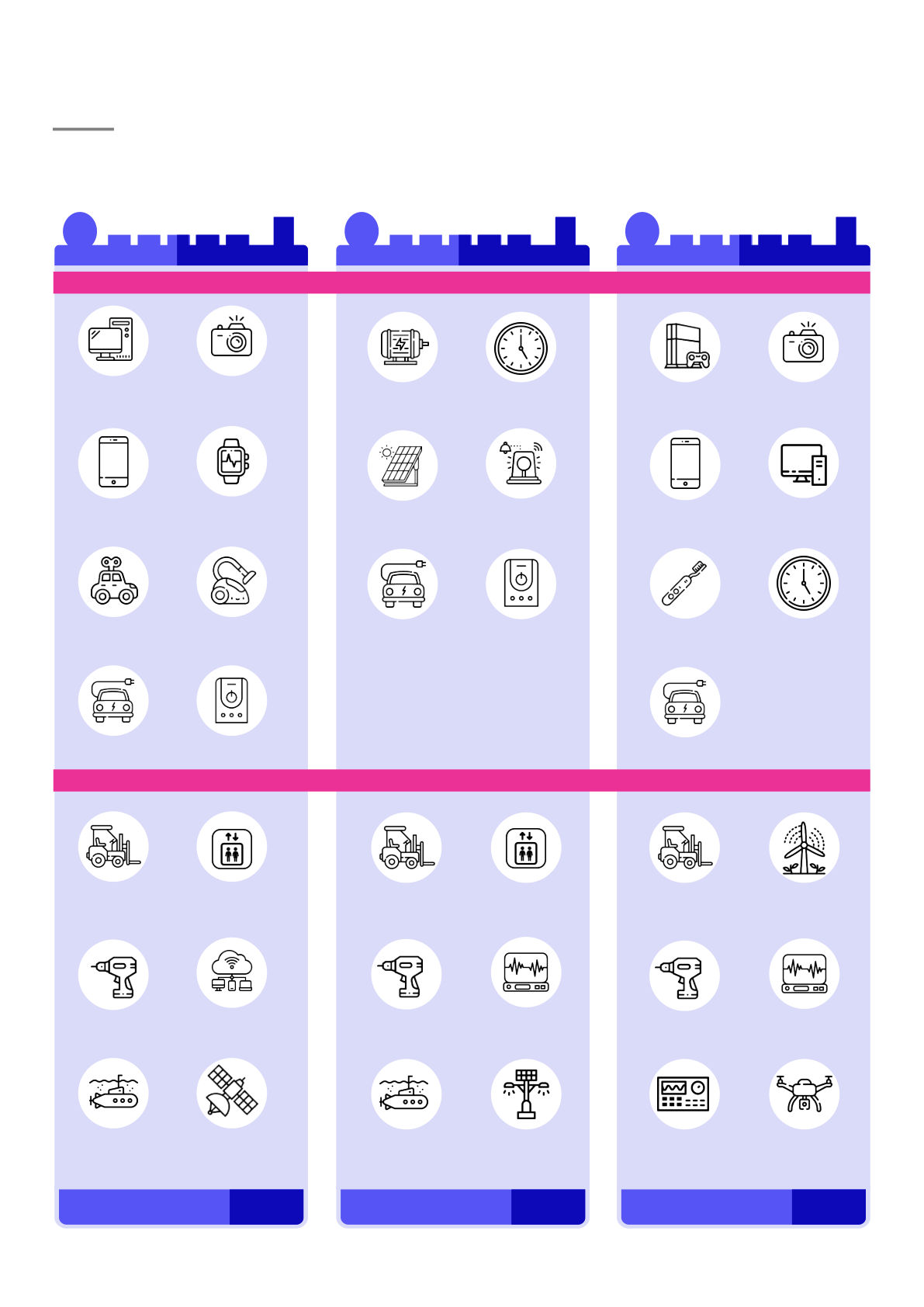
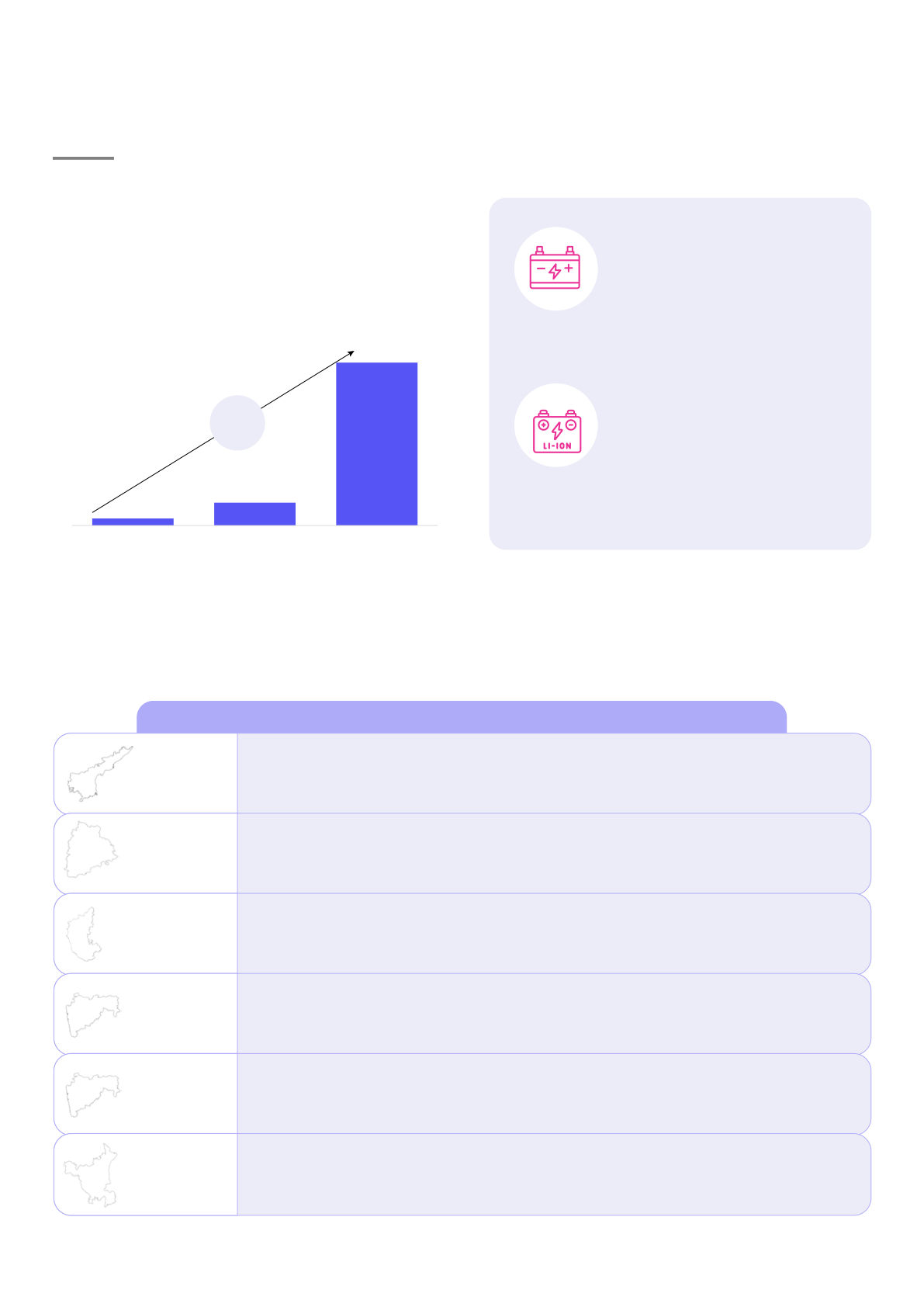
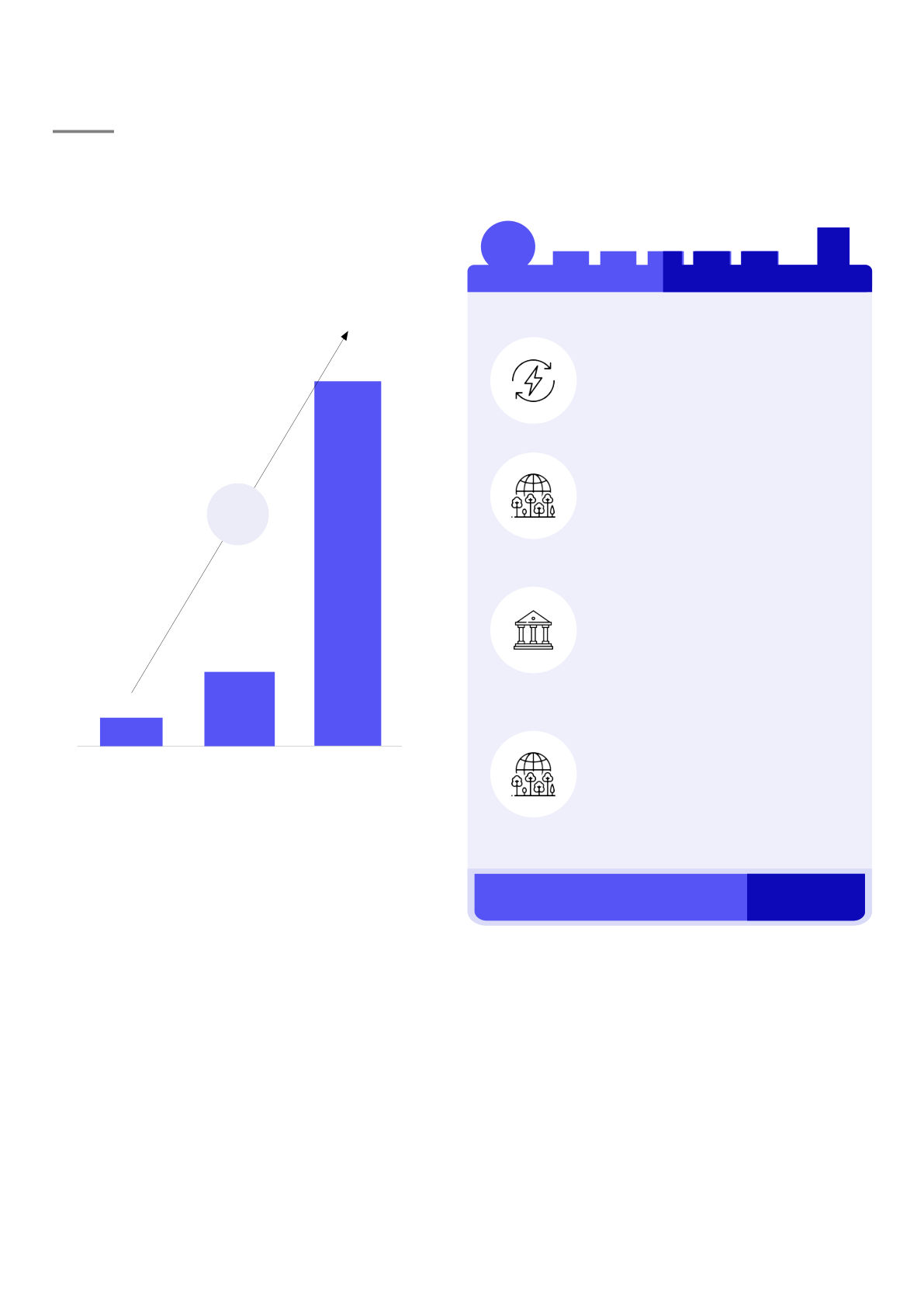
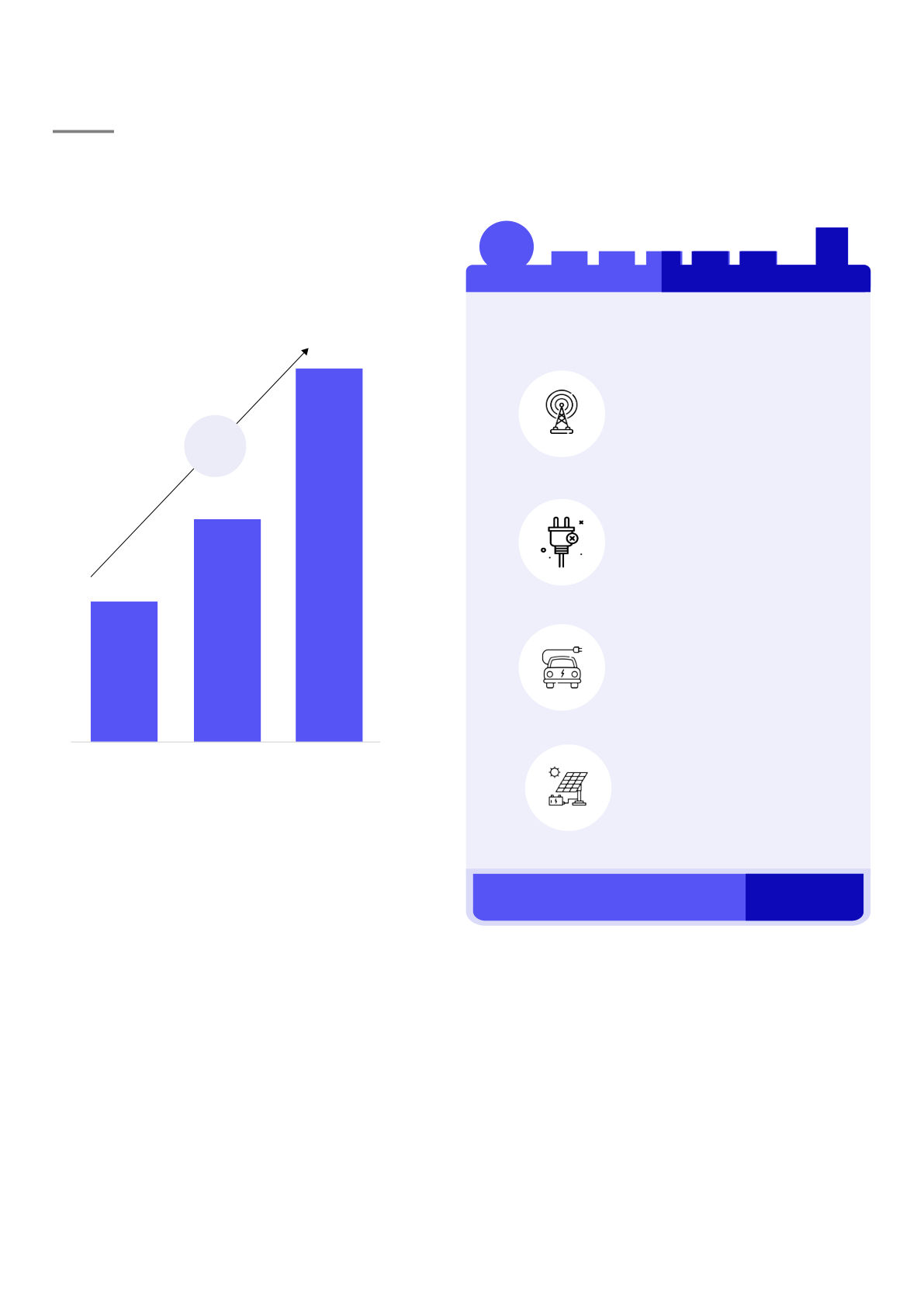
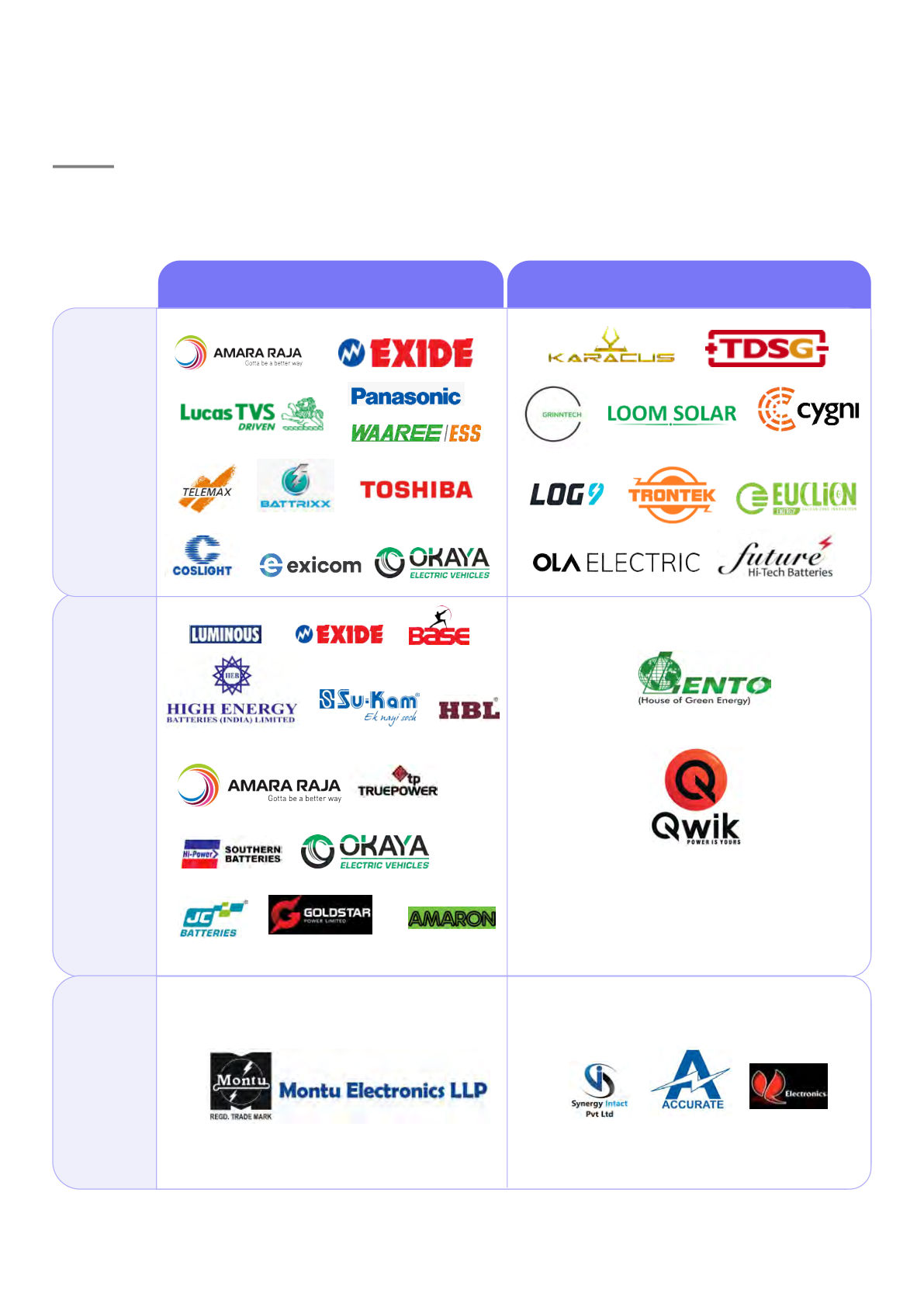
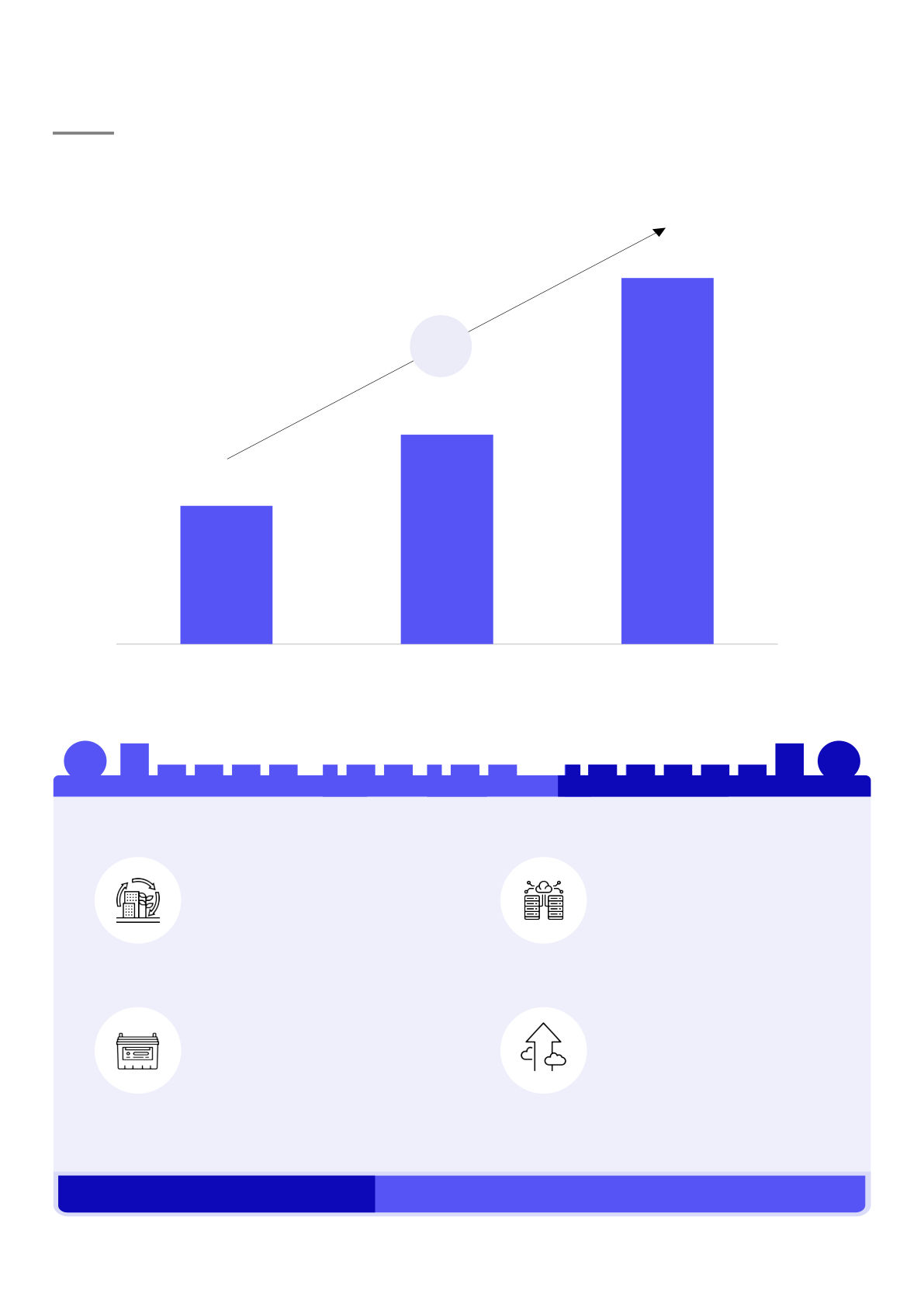
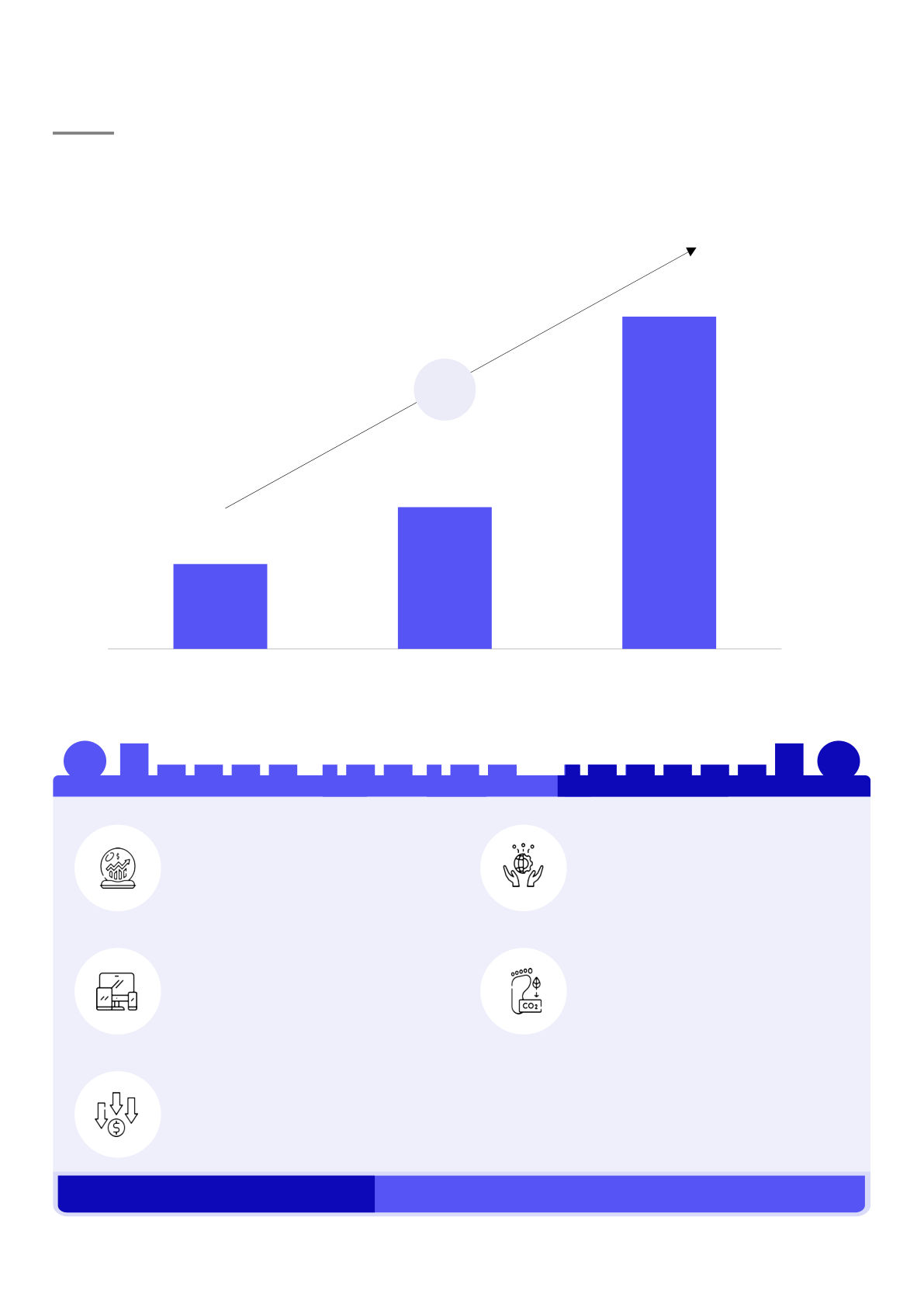
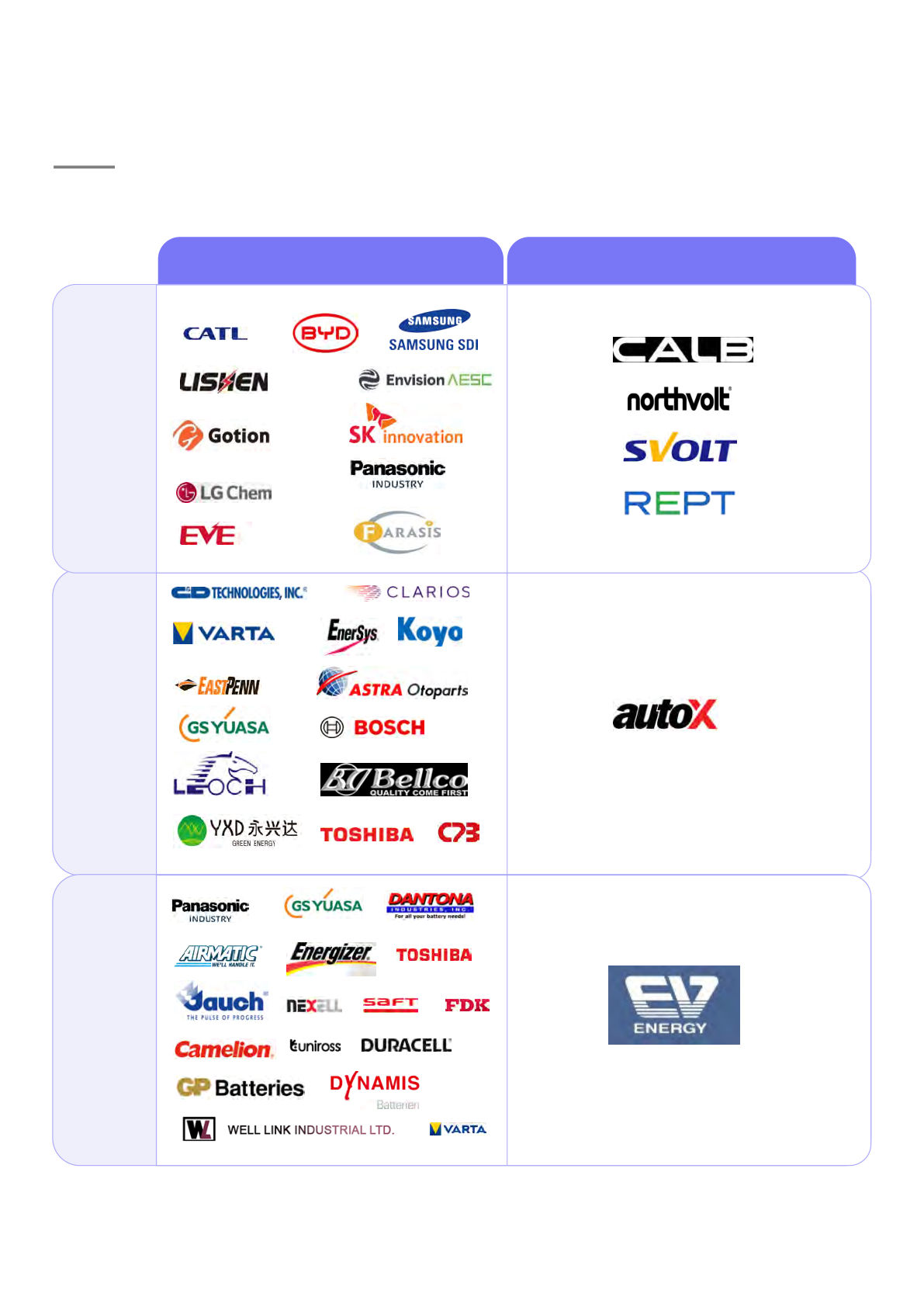
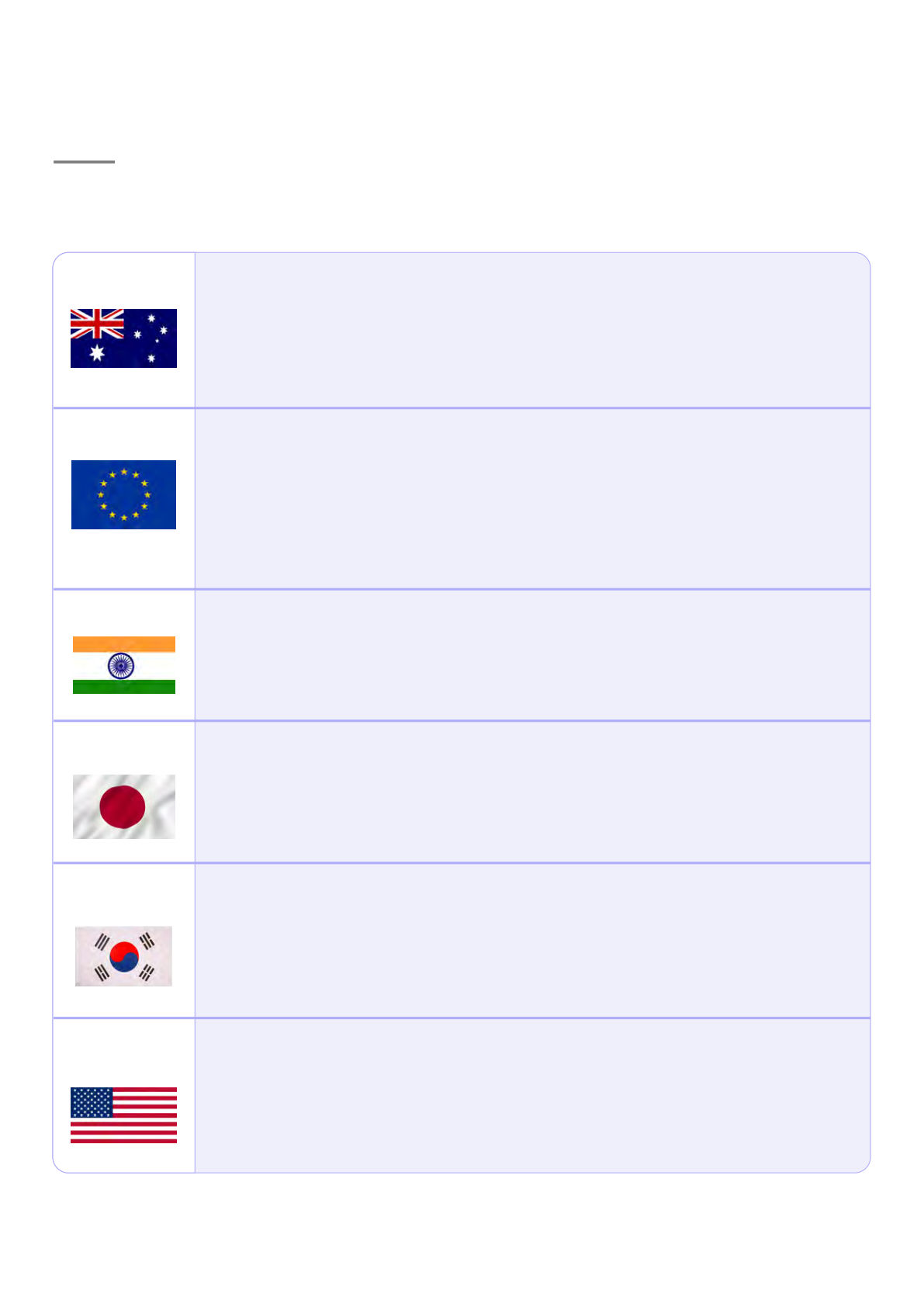
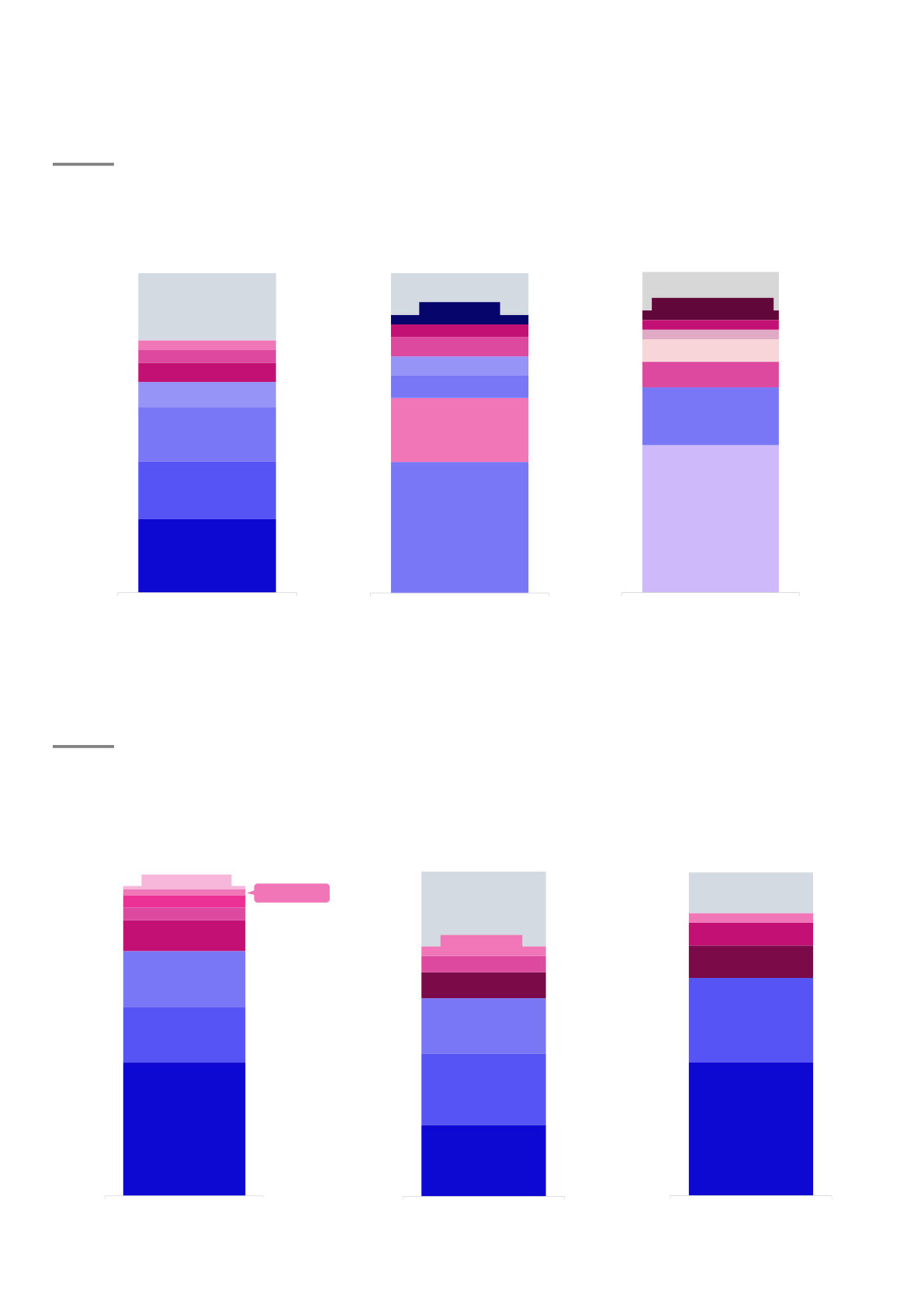
Powering the future Deep dive into EV battery manufacturing Jan, 2024 Confidential and proprietary © 1Lattice Foreword Batteries are electrochemical devices that convert potent chemical energy into electric power. They achieve this energy transformation through an electrochemical reaction involving the transfer of electrons between materials in a circuit. A battery comprises 3 essential components: the cathode (negative electrode), the anode (positive electrode), and the electrolyte, which reacts with both sides. The production of batteries involves crafting positive and negative electrodes, a process that encompasses blending, coating, refining, cutting, and assembling the electrodes. Batteries find diverse applications such as storing solar-panel energy, powering vehicle ignition, offering uninterrupted power supply, etc. The four most used batteries are NMC batteries, LFP batteries, lead-acid batteries, and nickel metal hydride batteries. NMC batteries are recognized for their efficient charging performance even at low temperatures, making them a popular choice for electric vehicles that need to function well in cold environments. LFP batteries are highly regarded for their long lifespan and ability to withstand numerous charge and discharge cycles without significant capacity degradation. They are a reliable option for applications that prioritize longevity. Lead acid batteries are easily recyclable and have been used in various industries for decades. Their recyclability is a significant advantage for environmental sustainability since the lead used in these batteries can be efficiently reclaimed and reused. NiMH batteries are known for their fast-charging capabilities, making them ideal for applications that require quick charging. This report aims to provide various industry stakeholders including business leaders with an overall perspective on the market. The situation is evolving rapidly, and some of the expected scenarios might have slight variations. The report reflects our perspectives as of September 2023. We, at 1Lattice, look forward to continuing the discussion with our friends across sectors and exchanging notes. Abhishek Maiti Director Executive summary Batteries are crucial electrochemical devices that are responsible for storing and releasing electrical energy. They are composed of three main components: a cathode (positive electrode), an anode (negative electrode), and an electrolyte, which enables the movement of ions between them. Batteries are used in a variety of applications, ranging from powering portable electronic devices to electric vehicles and large-scale energy storage systems. The realm of batteries is in a state of continuous evolution, with a strong emphasis on sustainability and efficiency. Although lithium-ion batteries are presently the most widely used, novel technologies such as solid-state and advanced lithium-sulfur batteries are being explored to offer superior energy density and safety. Increased investment in research and development, coupled with government initiatives promoting clean energy, are driving the progress of battery technology. The future holds great promise, with advancements in energy density, rapid charging, and integration into renewable energy systems, paving the way for a more sustainable and electrified tomorrow. The battery industry is currently experiencing significant growth due to various factors, such as the increasing demand driven by customer preferences and efforts toward decarbonization. In India, electric vehicle sales have surpassed one million units, tripling since 2021, which has significantly boosted the demand for batteries. There is intense global competition and innovative product development in response to customer needs, particularly in the Lithium-ion sector, which has seen a remarkable 65% increase in demand to around 550 GWh in 2022 from 330 GWh in 2021. Advancements in technology and manufacturing processes are forecasted to significantly reduce electric vehicle battery prices, making them more accessible and ultimately contributing to the electric vehicle movement. Government initiatives, such as reduced GST and exemptions, are further bolstering the industry. Major economies such as the USA and Japan are heavily investing in renewable energy infrastructure, clean transportation, and battery components, demonstrating global efforts to drive growth in the electric vehicle sector. The electric vehicle (EV) battery industry is growing rapidly, but it faces several obstacles hindering its overall expansion. One major challenge is the limited availability of raw materials and the geographical concentration of these resources. Manufacturing EV batteries have significant environmental impacts, emitting between 2,400 to 16,000 Kgs of CO2, and creates issues such as biodiversity loss, water scarcity, and soil contamination. Additionally, there are safety hazards due to temperature-related incidents that can impact battery performance and potentially lead to explosions, posing risks to human safety. The concentration of lithium and cobalt reserves in countries like Bolivia creates additional risks, particularly in the mining sector where child labor and unsafe conditions have been reported. The concentration of raw materials in a few countries also creates a challenge in ensuring a stable and sustainable supply of these materials, which can lead to price surges. The Indian government is actively bolstering the EV battery sector through comprehensive initiatives. Notable among these are the National Programme on Advanced Chemistry Cell (NPACC), and Production Linked Incentive (PLI), supported by a substantial allocation of INR 18,100 Crores. The National Mission on Transformative Mobility & Battery Storage prioritizes EV and battery component production through the Phased Manufacturing Plant (PMP) while collaborating with NITI Aayog, MoP, and MoUD drive charging infrastructure and battery storage expansion. On a global scale, various nations are advancing battery-related initiatives. The European Battery Alliance collaborates with the US Li-Bridge alliance for the development of lithium-ion and next-generation batteries. The United States introduced the National Blueprint for Lithium Batteries. Japan's Strategic Energy Plan targets a substantial increase in domestic car battery production to 100 GWh by 2030. Korea has unveiled the K-battery Blueprint and established a formidable alliance among leading domestic battery manufacturers, aiming to enhance tax incentives, R&D, and industrial networking. As the battery market continues to grow, we can expect to see new, enhanced, and more efficient batteries for applications across industries. Agenda Overview India market outlook Global market outlook Raw material supply & cost Introduction Batteries are electrochemical devices consisting of 3 elements (cathode, anode & electrolyte) that convert potent chemical energy into electric power Overview Definition • Battery transforms chemical energy into electric energy through an electrochemical reaction • Involves transfer of electrons between materials in a circuit Composition • Battery consists of three elements: - Cathode (Negative electrode) - Anode (Positive electrode) - Electrolyte (Chemical which reacts with both electrodes) Production • Battery production entails crafting positive & negative electrodes • This involves crucial processes like blending, coating, refining, cutting, & assembling the electrodes Types of EV batteries Lithium batteries Lead batteries Nickel batteries Lithium nickel Lead acid Nickel-metal hydride manganese cobalt oxide Nickel manganese aluminum Lithium iron phosphate Application • Solar-panel energy storage • Vehicle ignition • UPS (Uninterrupted Power Supply) • Robotics • Hospital equipment, wheelchairs, etc. Source(s): TechSci Research, Levitate Capitals, 1Lattice analysis © 1Lattice | 06 Batteries used in EVs Batteries used in EVs NMC batteries provide efficient charging at low temperature; LFP batteries have high longevity; Lead acid batteries are easily recyclable & NiMH batteries charge rapidly Lithium batteries Lead batteries Nickel batteries Lithium nickel Lithium iron Lead acid Nickel-metal manganese phosphate hydride cobalt oxide / Nickel manganese aluminum NMC/NMA LFP - NiMH Industrial use 1996 1996 1859 1990 since Uses Uses lithium iron Uses chemical Uses chemical combination of phosphate as reaction between reaction between Description nickel, cathode material to lead, lead dioxide, nickel oxyhydroxide manganese, & store lithium ions & & Sulfuric acid & metal hydride cobalt graphite as anode electrolyte Charging -20 to 50 0 to 45 -30 to 55 -30 to 55 o temperature ( C) Discharging -20 to 50 -20 to 65 o -20 to 55 0 to 55 temperature ( C) Charging ~80% ~100% ~50-95% ~65% efficiency* (%) Voltage (V) ~36 ~32-37 ~20 ~12 Life (#operational ~3,000 ~3,600 ~200-300 ~300-600 cycles) Climate change Moderate High Low Moderate durability Maintenance High Low Low Low required Moderate Moderate Affordable Expensive Costing type Charging Constant current - Constant current - Constant current - Constant current technique constant voltage constant voltage constant voltage • EVs • EVs • EVs • EVs • Portable electronics • Laptops • Electric forklifts • UPS units Applications • Energy storage • Portable oxygen • Power boats & • Digital cameras systems concentrators, yachts • Emergency lights, • Power tools, etc. etc • Golf carts, etc etc. • Efficient charging • Safe (low • Easily recyclable • Rapid charging USP performance at overheating risk) • Low discharge capability low temperatures • Longer lifespan rate • High current output Note(s): *Charging efficiency: energy added to the battery divided by the energy used by the charger Source(s): Niti Aayog report: Status quo analysis of various segments of electric mobility & low carbon passenger; Deloitte report: Recycling & second life use of lithium-ion batteries road transport in India, Press releases, 1Lattice analysis © 1Lattice | 07 Upcoming alternative EV batterie Breakthroughs in zinc-ion batteries could profoundly influence the market for Li-ion batteries, introducing a compelling alternative for EV power sources Upcoming alternative EV batteries Sodiumion Magnesium Aluminum Zinc-ion Lithium Solid -ion -air Sulfur State Technology • Sodium • Magnesium • Aluminum • Zinc • Pure lithium • Carbon metal titanates, lithium Anode alloys, & metallic lithium • Sodium • Manganese • Oxygen • Manganese • Sulfur– • Lithium oxide dioxide carbon based oxide, Cathode composite phosphates, & vanadium oxide • Sodium • Borohydrides • Potassium / • Zinc sulfate • Lithium salt • Solid sulfate sodium solution electrolytes , Electrolyte hydroxide which act as a separator • Affordable & • Less costly, • Cost-effec- • Less expen- • Less costly • Require safer than magnesium tive alterna- sive due to due to higher rd lithium-ion being 1/3 of tive to more abun- abundance densities of Cost batteries cost of lithium-ion dance of sulfur rare metals, lithium batteries for making it 1 use in EV costly • Production • Less energy • Excellent • Less chance • Much higher • Higher independent intensive , theoretical of overheat- energy energy of critical raw releases less capacity* ing & catch- density in density Environment materials toxins leading to ing fire comparison friendly • Requires less • Safer & more sustainability • Being more to Li-ion energy to sustainable environmen- batteries produce tally friendly • Sodium ions • Potential • High travel • High energy • Sulfur is • Less fire- are 3x energy boost, range like density sourced from related heavier than • Higher ICE powered industrial safety issues lithium ions, capacity vehicles due waste that is • Decreased Energy having a energy to high easily avail- need for lower energy storage energy able & expensive density system density non-toxic cooling • Environment systems - friendly • Poor utiliza- • Limited • Stability of • Insufficient • Less efficient • Lithium Sulfur tion efficiency lifespan these discharge due to low batteries of magne- batteries is capacity energy suffer from Potential usually sium anode charging • Short life density drawbacks because of a poor cycle • Shorter cycles** , as high rate lifespan compared of self- with Li-ion corrosion 1 Note(s):, Electric Vehicle; *throughput that could be attained if a production facility were able to produce at its peak efficiency with no downtime; **process of charging a rechargeable battery & discharging it as required into a load Source(s): Circuit Digest; What is beyond lithium-ion batteries for EV, Future Bridge; Alternatives Chemistries for Li-ion for E-mobility, Clean Mobility Shift; India needs to find alternative to lithium-ion EV Batteries 1Lattice analysis © 1Lattice | 08 Evolution: Lithium batteries M. Stanley Whittingham's groundbreaking innovation led to the development of the advanced Lithium-ion batteries used in modern EVs Lithium batteries • American chemist 1912 Gilbert Newton Lewis began experimenting • Armand proposed the with lithium batteries fabrication of a 1970 lithium-ion battery based on two different intercalation materials for • M. Stanley Whittingham both cathodes & anodes created the first lithium-ion battery with metallic lithium 1976 at anode & titanium disulfide intercalated with lithium ions • John B. Goodenough & his at cathode collaborators developed a 1979 battery with a cathode of lithium ions between layers of cobalt oxide • Yoshino improved on Goodenough’s lithium-ion 1985 battery, which had an anode of metallic lithium & cathode of cobalt oxide • First lithium-ion battery was released 1991 commercially by Sony Corporation in 1991 • Scientists succeeded in using lithium manganese 1996 oxide as a cathode material allowing for first rechargeable battery • John Goodenough developed 1997 nanotechnology that enabled a more stable • Development of first polymer-based solution laminated lithium-ion 2002 battery making them feasible for small & portable devices • Lithium-ion batteries keep on getting better, safer & 2010s cleaner along with higher usage of EVs around the world Source(s): Britannica; National Canter for Biotechnology Information; EQM Indexes; 1Lattice analysis © 1Lattice | 09 Evolution: Lead acid battery Lead acid batteries have undergone major transformations throughout the 20th century to become more convenient, efficient, & maintenance free Lead batteries • Gaston Planté invents the raw lead-acid battery, a 1859 breakthrough in battery technology • Progress in Planté's design includes the introduction of 1880s multiple cells with alternating • Carl Gassner invents negative & positive plates dry-cell lead-acid battery separated by wooden walls by replacing sulfuric acid 1886 with zinc chloride paste, • Lead-acid batteries improved resulting in a longer shelf-life with asphalt-coated wooden & improved portability containers, thick electrode 1910s plates, separators, & heavy • Lead-acid batteries adopt connections acid-resistant, hard 1920s rubber cases, a significant change in battery • Epoxy sealed one-piece construction covers are introduced, 1950s improving battery performance • Developed techniques for series cell connection & Early efficient plate joining, 1960s reducing internal resistance • Injection-molded & connecting lead usage polypropylene cases & covers Late are introduced, leading to 1960s • VRLA* batteries, including more efficient batteries with gel & AGM** technologies, higher energy density are commercialized, Early offering sealed batteries 1970s • The use of organic with no need for topping up expanders in lead-acid with water batteries becomes prolific, 1990s significantly enhancing the • Manufacturers introduced battery's discharge capacity maintenance-free & performance lead-acid batteries, 2000s offering convenience to users with little to no • Integration of smart battery maintenance requirements management systems became prevalent, enabling battery 2010s health monitoring, diagnostics, & optimized charging Note(s):*Valve-regulated lead-acid, **Absorptive glass mat Source(s): Borregaard: All you need to know about batteries, 1Lattice analysis © 1Lattice | 10 Evolution: Nickel battery Stan Ovshinsky invented & patented the nickel metal hydride battery in 1982; Global nickel metal hydride battery market was valued at ~US$ 4B in 2022 Nickel batteries • Stan Ovshinsky invented & patented nickel metal 1982 hydride battery & founded the company ‘Ovonics Battery Company’ • Nickel metal hydride batteries were being used successfully in many EVs, 1990 such as the General Motors EV1 & Dodge Caravan Epic minivan • Honda introduced ASIMO a bipedal robot, 2000 that initially used nickel metal hydride battery • New nickel-metal hydride cell was introduced which reduced self-discharge & 2005 prolonged shelf life, with a retained ~70-85% • Ovonics manufactured capacity their next-generation nickel metal hydride batteries providing specific 2009 energy & power, at a cost significantly lower than that of lithium-ion • Kawasaki Heavy Industries batteries Ltd. delivered the world's 2014 first Battery Power System (BPS) called ‘GIGACELL’ for emergency train runs for Tokyo Monorail Co. Ltd • BASF (Badische Anilin und Soda Fabrik -German 2015 factory producing chemicals) modified the battery’s microstructure • Global nickel metal enhancing its durability hydride batteries 2022 market size by revenue was ~US$ 4B Source(s): Kawasaki Heavy Industries, Ltd. Clore Automotive-The Evolution of the Automotive Battery, GlobeNewsWire-Nickel-Metal-Hydride-Global-Market-Report,1Lattice analysis © 1Lattice | 11 Battery manufacturing value chain ~98% lead acid batteries & ~50% lithium-ion batteries are recycled overall, Nickel batteries can be re-used due to less degradation throughout the life cycle Raw Cell Battery EV Recycling / material component cell / pack production reuse mining production production • Raw material: • Manufactured • Separator • Battery • Not environ- Lithium, in sets of inserted pack ment-friendly graphite, electrodes & between integrated as only ~50% of cobalt, then anode & into EV & a lithium-ion manganese & assembled in cathode connected battery can be Lithium aluminum cells electrode with electric recycled in an batteries sheets motor & effective way • Lithium other parts extracted • Later wounded from two or stacked different together sources: brine or hard rock • Raw • Lead reacts • Connecting • Battery • ~98% of Material: with lead plates making pack rechargeable Lead dioxide, in up battery integrated lead-acid presence of grid into EV & batteries are • Lead ore sulfuric acid connected recycled, ground into • Methods for Lead resulting in with electric making it particles manufacturin batteries lead sulfuric motor & sustainable & smaller than g plates: oxide other parts efficient 0.1 mm & grid production, & • Later ore pasting & converted to curing oxide • Consists of: • Assembling • Battery pack • Nickel metal • Raw - Anode: battery by integrated hydride Material: Nickel enclosing into EV & components Nickel hydroxide positive & connected do not hydroxide - Cathode: negative with electric completely • Nickel Nickel Hydrogen- electrodes, motor & other degrade found batteries absorbing separators parts throughout primarily in alloys & the battery two types - Separator electrolyte lifetime & can of deposits made of potentially be - sulfide & fine fibres reused in new laterite batteries Source(s): IEA, Global supply chains of EV batteries; Recycling of nickel metal hydride (NiMH) batteries, Chalmers University Of Technology; Lithium-Ion Battery Recycling: Overview of Techniques & Trends, American Chemical Society; 1Lattice analysis © 1Lattice | 12 Application of batteries Household & industrial applications of lithium batteries, lead batteries, & nickel batteries Lithium batteries Lead batteries Nickel batteries Household applications Computers Digital Electric Clocks Gaming Digital cameras motors consoles cameras Wearable Smartphones Emergency Solar panels Smartphones Computers devices lights Toys Cordless vacuum Electric Clocks EVs UPS cleaner toothbrushes EVs UPS EVs Industrial applications Electric Elevators Electric Elevators Electric Wind power forklifts forklifts forklifts plants IoT devices Medical Power tools Power Medical Power tools devices tools devices Marine Satellites Marine Solar Portable test Drones devices devices streetlight equipment Source(s): EPA article, Murata articles, 1Lattice analysis © 1Lattice | 13 Agenda Overview India market outlook Global market outlook Raw material supply & cost Battery in India Battery demand in India projected to increase to ~70 GWh by 2030 at CAGR of ~50%; Indian states attracting investments for setting up battery manufacturing facilities Battery demand in India is projected to grow at ~50% CAGR from ~3 GWh in • India will need 969-1,452 2022 to ~70 GWh by 2030 KT* of anode, cathode, & electrolyte material between 2022 & 2030 to Battery demand in India fulfill domestic battery (GWh) demand 70 • Jammu-Kashmir & Rajasthan, being CAGR considered as options for ~48% extraction of lithium to tackle demand owing to recent lithium deposit 10 discovery in 2023 3 CY22 CY25 CY30 Telangana to attract investments of INR 9,500 Cr. & Karnataka of INR 6,000 Cr. to manufacture lithium-ion batteries Battery manufacturing scenario in Indian states • Munoth Industries, Tianjin Lishen & BPI establishing India's first lithium cell Andhra manufacturing facility in Tirupati of 1GWh capacity with an investment of Pradesh INR 800 Cr • Amara Raja Batteries Limited launched 16GWh battery manufacturing Telangana facility to manufacture lithium-ion batteries, with investment of INR 9,500 Cr from CY23-33 • Exide plans to set up dedicated lithium-ion battery plant with capacity of Karnataka 12 GWh, by investing INR 6,000 Cr from CY22-30 • Neuron Energy (Mumbai-based lithium-ion & lead battery manufacturer) Maharashtra to invest INR 50 Cr to increase production capacity, to match the demand-supply gap in battery market • International players Suzuki Motor Corp., Toshiba & Denso Corp. Gujarat announced investment of INR 1,150 Cr to set up lithium-ion battery facility • Exicom plans to increase manufacturing capacity to 1 GWh from current Haryana capacity of 500 MWh to serve EVs, residential use, grid scale energy storage systems, etc. Notes: *Kilotonne Source(s): Astute analytics reports, Press releases, 1Lattice analysis © 1Lattice | 15 Lithium battery market India lithium battery market is expected to grow at ~40% CAGR to reach ~US$ 32B by CY30 from ~US$ 3B in CY22 India Lithium battery market (US$ B, CY22-30P) India key trends Increasing disposable income 32.0 leads to rising living standards, driving demand for consumer electronics Schemes, such as ‘’Make in India’’ & ‘’Digital India’’, are expected to significantly lower CAGR cost of manufacturing for lithium ~38% battery In 2022, in line with the government's idea of Atmanirbhar Bharat, India is 6.5 producing ~81% of Lithium-ion batteries for domestic EVs 2.5 Widespread utilization of robotic solutions , along with CY22 CY25P CY30P deployment of smart grid & renewable energy systems led to increased demand for lithium batteries Source(s): Precedence Research; Press release; IMARC Group; Mordor Intelligence report, 1Lattice analysis © 1Lattice | 16 Lead acid battery market Indian lead acid battery market is expected to grow at CAGR ~2% to reach ~US$ 12B by CY30 from ~US$ 10B in CY22 India Lead acid battery market (US$ B, CY22-30P) India key trends 12.27 Growing adoption as a key standby / emergency power CAGR source for the rising ~2% telecom sector 10.95 Increased demand for power backup in critical industries like railways, oil & gas, mining, etc. 10.23 Rising EV sales for both commercial & personal use driving demand CY22 CY25P CY30P Growing renewable energy industry to aid demand for l ead batteries as these are used to store energy Source(s): Market Research future report, Global News Wire report, Mordor Intelligence report, 1Lattice analysis © 1Lattice | 17 Competitive landscape - India Lithium-ion batteries dominate the Indian market with numerous manufacturers; Only a few new-age players cater to Nickel- metal hydride battery manufacturing Domestic players Incumbents New-age players Lithium-ion batteries Lead acid batteries Nickel- metal hydride Source(s): Press releases, Company websites, 1Lattice analysis © 1Lattice | 18 Competitive landscape - India Indian government embraced a substantial ~US$ 221.4M production linked Incentive to fortify the EV battery sector National Programme on Advanced Chemistry Cell (NPACC) 1 • Designed to support domestic production of 50 GWh of Advanced Chemistry Cell (ACC) • Implementation of Production Linked Incentive (PLI) to achieve 1 manufacturing capacity of 50 GWh of ACC batteries with an outlay of INR 18,100 Cr (US$ 221.4M) National Mission on Transformative Mobility & Battery Storage 2 • Phased Manufacturing Programme (PMP) for EVs & EV components will specifically prioritize batteries production 3 4 • NITI Aayog, MoP , & MoUD are partnering to establish robust charging infrastructure for EVs & foster exponential expansion in battery manufacturing & storage capabilities Battery Waste Management Rules, 2020 • Batteries Rules, 2001, exclusively covering lead acid batteries, will be 5 substituted by the BWM Rules draft, 2020 • BWM Rules encompass all battery types & outline the responsibilities of manufacturers & dealers in effectively handling battery waste Ministry of Power • Licenses not necessary for charging EV batteries at charging stations, as per the provisions of the Electricity Act 2003 6 • Establishing PCS will be an unlicensed endeavour allowing individuals & entities to freely set up PCSs while adhering to performance standards & protocols 1 2 3 4 5 Note(s): Giga-watt-hours; Electric Vehicles; Ministry of Power Ministry of Urban Development Battery Waste Management; 6 Public charging stations; Source(s): WRI India: State of Research & Development in Electric Vehicle Battery Technology, Global Supply Chains of EV Batteries IEA, 1Lattice analysis © 1Lattice | 19 Indian investments PE/VC investments of lithium, lead acid, & nickel battery manufactures in India Company Founded Head- Amount Funding Latest Key institutional year quarter raised round funding investors (US$ M) year Temasek, Edelweiss, Tekne Private Ventures, Alpha Wave Inventors, 2017 Bangalore ~300 Series D May 2023 SoftBank, Bank of Baroda, & Pawan Munjal Family Trust Social Investment 2018 Karnataka ~2 Seed Jan 2023 Managers, & Advisor Meridian Global Venture, Indian Overseas Bank, VKs 2014 Hyderabad ~13 Series B Aug 2022 Family Trust, & PKs Family Trust Conventional RTBI, Lakshmi Narayan 2013 Chennai ~2 Jun 2021 Debt & Venkataramani Sumantran Dharamshi Securities, Founder Collective 1989 Gujarat ~127 Series C Apr 2021 Samir Shah & Trusha Jhaveri Exicom NeXTWAVE 1994 Bangalore ~10 Series B Sep 2020 Communications Source(s): Tracxn, Crunch Base, Company website, 1Lattice analysis © 1Lattice | 20 Future outlook: India Battery market holds promising prospects in India with growing EV demand, favorable government initiatives, R&D, & growth in battery recycling Increased EV adoption • Domestic EV market to grow at ~50% CAGR from CY22-30, leading to rising demand for EV batteries - Sale of lithium-ion battery material sourcing & manufacturing is expected to increase significantly due to rising EV demand Favorable government initiatives • ‘Government’s Vision 2030’ aims for 100% electrification of public transport & 40% of personal mobility by CY30 • Indian government’s Production Linked Incentive (PLI) targets to achieve 50 GWh lithium-ion cell manufacturing capacity by CY25 Rise in EV battery production • India's Khanij Bidesh India Ltd. (KABIL) plans to acquire lithium reserves abroad, enabling the domestic production of lithium-ion batteries • Scarcity of lithium made several companies announce plans to establish in-house lithium-ion battery production facilities Rising market demand • Battery demand is projected to grow at ~50% CAGR from ~3 GWh in CY22 to ~70 GWh by CY30 • Growth of battery recycling will lead to reducing battery prices, contributing to its demand Technology advancements • Several Indian enterprises like Amara Raja & Mahindra Electric are investing in R&D to develop next-generation battery technologies • IIT Madras researchers are developing mechanically-rechargeable zinc-air batteries, a new kind of battery technology for EVs Source(s): Ministry of Power, Global EV outlook report 2023, US Department of Transport, Company websites, Press releases, 1Lattice analysis © 1Lattice | 21 Agenda Overview India market outlook Global market outlook Raw material supply & cost © 1Lattice | 22 Lithium battery market Global lithium battery market is expected to grow at CAGR of ~20% to reach ~US$ 280B by CY30 from ~US$ 70B in CY22 Global Lithium battery market (US$ B, CY22-30P) 278.11 CAGR ~19% 116.10 69.40 CY22 CY25P CY30P Global key trends Lithium batteries for Greater customer adoption mobility applications, such rates & increased as EVs, will account for the consumer demand for vast bulk of demand in 2030 greener technologies - about 4,300 GWh Companies in EU & US have Announcements by 1 3 of the announced plans for new mining, top 15 OEMs to ban ICE* refining & cell production vehicles & achieve new projects to help meet the growing emission-reduction targets demand for lithium batteries Note(s): *Internal combustion engine © 1Lattice | 23 Source(s): Precedence Research; Press release; IMARC Group; Mordor Intelligence report, 1Lattice analysis Lead acid battery market Global lead acid battery market is expected to grow at CAGR of ~7% to reach ~US$ 94B by CY30 from ~US$ 54B in CY22 Global lead acid battery market (US$ B, CY22-30P) 94.11 CAGR ~7% 66.66 54.20 CY22 CY30P CY25P Global key trends Rising environmental Increasing demand from concerns & green initiatives data centres, as batteries like EV promotion by needed for power backup governments around the world contribute to demand Novel technological Heavy demand from innovations in lead acid flourishing industries like batteries bringing longevity, power, EV, telecom, etc. flame resistance, etc. worldwide contributing to rising adoption Source(s): Market Research future report, Global News Wire report, Mordor Intelligence report, 1Lattice analysis © 1Lattice | 24 Nickel metal hydride battery market Global nickel metal hydride battery market is expected to grow at CAGR ~20% to reach ~US$ 16B by CY30 from ~US$ 4B in CY22 Global nickel metal hydride battery market (US$ B, CY22-30P) 15.74 CAGR ~19% 6.71 4.02 CY22 CY25P CY30P Global key trends Exponential consumption of Modernization efforts & electronic goods & strong development of infrastructure supporting policies to expand are for electricity generation are set to bolster growth of nickel-metal being made by various hydride battery market governments Nickel-metal hydride batteries are Increased demand for EVs due to increasingly being used in hybrid & rising awareness to reduce EVs due to its large power carbon footprints is expected to capabilities drive the growth for nickel-metal hydride battery market Preference for nickel-metal hydride batteries amongst manufacturers rising due to its lower production costs, high energy efficiency & longer life Source(s): Precedence Research, Mordor Intelligence report, 1Lattice analysis © 1Lattice | 25 Competitive landscape - Global Globally, there are very few new age players that are involved in manufacturing lead acid batteries & nickel metal hydride batteries Global players Incumbents New age players Lithium-ion batteries Lead acid batteries Nickel- metal hydride Source(s): Precedence Research, Mordor Intelligence report, 1Lattice analysis © 1Lattice | 26 R&D initiatives in EV batteries USA invested US$ 125M, Australia US$ 197M, & Europe US$ 113M in EV batteries R&D; Academic institutions in India are developing various battery technologies Countries R&D Initiatives AUSTRALIA • Australian Renewable Energy Agency (ARENA) has issued funds exceeding US$ 197M for R&D activities on battery technology development, testing & utility-scale battery systems • Australian Renewable Energy Agency (ARENA) has announced US$ 1.49M in funding to Melbourne battery technology company Relectrify to advance their commercial scale battery • LAVOISIER has been set up to focus on the design & fabrication of batteries, EUROPE funded by a grant of EUR 10.2M (US$ 113M) from the government of the Centre Val-de-Loire region (France) 1 • Federal Government is currently providing funding for developing ESS under its Energy Storage Funding Initiative 2 • Projects covered by the funding initiative range from batteries in EVs to hydrogen fuel cells • Central Electrochemical Research Institute (CECRI) has been established INDIA with a complete focus on electrochemistry-based technologies research 3 4 • Several research groups in IITs , IISc , Centre for Materials for Electronics Technology (C-MET) & many other institutions are working on the materials development aspects of battery technologies • Advanced Low Carbon Technology Research & Development Program – JAPAN Specially Promoted Research for Innovative Next Generation Batteries (ALCA-SPRING) • Main aim of the program is to accelerate R&D on high-capacity secondary batteries & to fabricate them • Ministry of Trade, Industry & Energy are building "the next-generation battery KOREA park" by 2026 to facilitate local firms' research & test efforts in EV batteries • Creation of a KRW 80B (US$ 62M) fund jointly with the top three battery makers (LG Energy Solution Ltd, Samsung SDI Co & SK Innovation Co) to support R&D projects • Battery Materials Processing & Battery Manufacturing Recycling (US$ 2.8B), USA the portfolio of 21 projects supports new, retrofitted, & expanded commercial-scale domestic facilities to produce battery materials • Battery & Critical Minerals Mining & Recycling Grant Program (US$ 125M), designed to award grants for R&D to increase recycling of batteries 1 2 3 4 Note(s): Energy Storage System, Electric Vehicle, Indian Institute of Technology, Indian Institute of Science Source(s):WRI Report, State of Research & Development in Electric Vehicle Battery Technology; RMI, The EV Battery Supply Chain Explained; ARENA, New life for electric vehicle batteries; Yonhap News Agency, S Korea to expand tax © 1Lattice | 27 incentives, R&D spending on battery sector amid EV race; 1Lattice analysis Government initiatives - global European Union, United States, Japan, & Korea formulated policies to promote R&D in batteries to increase its supply & production European Union: European Battery Alliance • European Battery Alliance & US Li-Bridge Alliance collaborated to accelerate the development of li-ion & next-generation batteries, in 2022 • Batt4EU Partnership, 2021 combining efforts of the European Commission & Batteries European Partnership Association, funding battery R&D & innovation projects United States: National Blueprint for Lithium Batteries • Aimed to set guidance for policymakers & investors including securing upstream raw & critical minerals, along with R&D • Li-Bridge, launched in October 2021, is an innovative public-private partnership aimed at bridging deficiencies in domestic lithium battery supply Japan: Strategic Energy Plan in 2021 • 2020 Green Growth Strategy established ambitious targets to boost domestic production of car batteries to 100 GWh by 2030 • Battery Association for Supply Chains urged the government to provide financial subsidies for battery production facilities & received (US$ 910M) in FY21 Korea: K-battery blueprint & Grand Alliance • Unveiled a strategic plan to redirect the government’s endeavors towards enhancing tax incentives, & R&D expenditures • Formed a formidable alliance among the leading three domestic Korean battery manufacturers (LG Energy Solution, Samsung SDI & SK Innovation), aiming to establish a robust industrial network Source(s): WRI India: State of Research & Development in Electric Vehicle Battery Technology, Global Supply Chains of EV Batteries IEA, 1Lattice analysis © 1Lattice | 28 Global investments PE/VC investments of lithium, lead acid, & nickel battery manufacturers globally Global battery manufacturers Company Founded Headquarter Amount Funding Latest Key institutional year raised round funding investors (US$ M) year SmartPulse Technology Inc, REXEV, Epigeneron, Ubiregi, IDDK, DIGITAL GRID, ~1 Jul 1875 Tokyo, Japan - Engie, Westinghouse Electric Company, 2023 Fixstars, & VIOLIN systems Goldman Sachs, EIT InnoEnergy, Stockholm, Jun Swedish Agency, Harald Mix & other 2015 ~400 Series C Sweden 2023 Angel Investors Milwaukee, Debit Apr Brookfield Asset Management 1885 ~750 USA Financing 2023 ArcTern Ventures, Energy Impact Part- Apr London, UK ners, UK Government, Mark Zaleski, & 2018 ~105 Series A 2023 other Angel Investors Yongin, Mar 1970 ~90 Grant European Union & KB Securities South Korea 2023 Seoul, Piedmont Lithium, Li-Cycle, Inner 1947 ~75 Feb South Korea bottle, Kryptos Biotechnologies & - 2023 Enevate Jizxin Semiconductor, Jade Bird Display, Guangzhou, Jiangsu KATOP Automation, Bornsun, Post-IPO Jan 1995 ~2,200 China Golden Dragon Rare Earth, Kunlun Core, Equity 2023 Juci Technology, LitoSim & Marcotest Citic Securities Investment, CNCB, CNGR Zhejiang, - Aug 2001 Series B Advanced Material, Fulv Lianxin & China 2022 Guangdong Guangnix Holding Group Guangzhou Industrial Control, California, Mercedes-Benz Group, Soochow Asset Post-IPO Nov 2017 ~1,700 USA Management Co., Industrial Bank & China Equity 2022 Venture Capital CDH Investments, Sichuan Energy Investment Development, IDG Capital, Changzhou, Financing Aug Xiaomi, CCB International, SCGC, BOCG 2002 ~1,439 China B 2021 Investments, Sany Heavy Industry & Country Garden Venture Captial GAC Captial, China Insurance Zhejiang, Investment Fund, Yangtze River Xiaomi Series Sep 2015 ~1,680 China Industry Fund, Sequoia Capital China & Unknown 2021 Jinyuan Group Source(s): Tracxn, Crunch Base, Company website, 1Lattice analysis © 1Lattice | 29 Growth drivers Rising demand for EVs, reduction in manufacturing costs, import duty exemptions, & increasing investments in technology are key growth drivers for the battery industry Growth Drivers of EV Battery Rising demand for EVs • EV sales in India surpassed 1M units (tripling since 2021) driven by increasing demand & efforts to decarbonize transportation boosting battery demand • Developing innovative products to meet consumer needs, & driving the global battery market with intensifying competition, lithium-ion battery demand rose by ~65% to ~550 GWh in 2022 from ~330 GWh in 2021 globally Reduction in manufacturing costs • Advancing technology & improved manufacturing processes are projected to slash EV battery prices to $40-60 per kWh by 2030 from $151 per kWh in 2022, driving widespread adoption of EVs Government initiatives • Indian government exempts customs duty on imports required for lithium-ion cells manufacturing • Reduced GST from 28% to 18% on lithium-ion batteries further plans reducing to 5% by 2024 • In 2023, USA plans to invest $75B in charging infrastructure, $10B in clean transportation & $7B in battery components. Meanwhile, Japan's Green Growth Strategy aims for 100 GWh of domestic car battery production by 2030, as outlined in its Strategic Energy Plan Investments in battery technology • Increasing investments from private companies, venture capitalists, etc., in battery research & manufacturing, including initiatives like 'The Faraday Battery Challenge,' are driving rapid advancements in battery technology • Faraday Battery Challenge is run by UK Research & Innovation on behalf of the UK government, with an investment of £541M between 2017 & 2025 Source(s): IEA: Trends in Batteries, Skill-Lync-Future of Electric Vehicles in India: The Barriers & untapped potential, Polaris market research-EV Battery Global market size, Press releases, 1Lattice analysis © 1Lattice | 30 Barriers Limited availability & concentration of raw materials in few regions, safety hazard & human rights concerns are barriers to growth of EV battery manufacturing industry Barriers of EV Battery Environmental impact • EV battery manufacturing results in emissions ranging from 2,400 to 16,000 kgs of carbon dioxide • Raw material mining causes significant environmental issues like biodiversity loss, water scarcity, soil contamination & displacement of local communities Safety hazard • Extreme temperatures affect EV battery performance, making them unsuitable for very cold or hot regions (ideal temperature range being o 15-40 C) to avoid potential explosions • Temperature-related incidents like short circuits, overcharging, etc., can lead to explosions in batteries. In the USA, as of July 2023, there have been 114 investigations into lithium-ion-related fires, resulting in 74 injuries & 13 deaths, a significant increase compared to last year's 6 reported deaths Human rights concerns • Human rights concerns in mining, such as child labor persists • A 2016 investigation exposed health risks faced by children & adults working in hand-dug cobalt mines in southern Congo. The government's lack of protection & companies' exploitation further exacerbate the situation Supply concentration risk • Limited availability of raw materials like lithium, cobalt & nickel poses challenges to the battery industry's growth as ensuring a stable & sustainable supply is crucial • Concentration of supply of lithium in a few countries (Bolivia, Chile & Argentina have ~70% of the known resources of Lithium, while production-wise - Chile, Argentina & Australia control ~90% ) • Possibility of price control of lithium & other raw materials due to supply concentration Source(s): IEA: Trends in Batteries, Skill-Lync-Future of Electric Vehicles in India: The Barriers & untapped potential, Polaris market © 1Lattice | 31 research-EV Battery Global market size, Press releases, 1Lattice analysis Future outlook: global EV battery market holds promising prospects with the surge in EV adoption, favorable government initiatives, growing demand, & technological advancements Increased EV adoption • ~ 25% global car market is targeting 100% ZEV* sales or plans to ban ICE** vehicles by CY35 # • Growing adoption of EVs & PHEVs with advanced features has increased power consumption - Increasing the demand for efficient rechargeable batteries Favorable government initiatives • Government’s emphasis on building robust EV charging stations to improve EV accessibility will positively impact the global EV battery market • ‘EU Battery Directive’ aims to achieve a 70% recycling efficiency for Li-ion batteries by CY30 • China’s 14th Five-Year Plan (CY21-25) plans to pro- mote the development of the sodium-ion battery industry Rise in EV battery production • North America's share of global battery manufacturing capacity is expected to grow from ~ 6% to ~10% by CY26 • Europe’s share of global battery manufacturing capacity is expected to grow from ~7% to ~12% by CY26 Rising market demand • Battery demand is set to increase significantly by CY30 with lithium-ion batteries dominating EV battery market • Electric cars & vans are expected to continue to dominate total battery demand for EVs, accounting for ~90% of demand Technological advancements • Battery researchers & automakers are working on developing advanced batteries to overcome the limitations of lithium-ion batteries • Companies such as Tesla & Redwood Materials are focusing on creating more efficient & cost-effective recycling techniques for EV batteries to reduce costs • Automakers like Toyota & BMW are investing heavily in solid-state battery technology Note(s): *Zero emission vehicles; **Internal combustion engine; #Plug-in hybrid electric vehicle Source(s): Ministry of Power, © 1Lattice | 32 Global EV outlook report 2023, US Department of Transport, Company websites, Press releases, 1Lattice analysis Agenda Overview India market outlook Global market outlook Raw material supply & cost Raw material cost Lithium carbonate prices increased by ~120% CAGR from CY19-22; Cobalt prices increased by ~45% CAGR from CY19-21 Lithium carbonate prices declined by ~40% over CY18-19 & increased by ~120% CAGR • As momentum accelerated from CY19-22 toward EVs, so did aggregate demand for lithium Lithium carbonate price variation ▪ Soaring prices have been (US$ / ton) driven by surging demand for light-duty EVs, sales of which doubled to ~6.3M 77,106 units in CY22 globally ▪ On average, the CAGR lithium-ion battery packs ~121% 43,623 found in EVs contain about 9 kg of lithium, thousands CAGR of times more than most ~38% consumer electronics 11,551 7,108 7,123 CY18 CY19 CY20 CY21 CY22 Cobalt prices declined by ~40% over CY18-19 & increased by ~45% CAGR from CY19-21 • EV demand Cobalt price variation boosting cobalt (US$ / ton) price owing to application in lithium-ion batteries 70,500 CAGR CAGR • Uptrend in cobalt ~40% ~47% prices in CY21 due 55,000 51,955 to rising battery demand, industrial restocking* & global supply 32,750 32,190 chain disruptions CY18 CY19 CY20 CY21 CY22 Note(s): Commodity prices as on last week of December each year, *when industries increase their inventory levels of raw materials, components & finished goods to meet potential increases in demand © 1Lattice | 34 Source(s): Trading Economics, Press releases, 1Lattice analysis Raw material cost Nickel prices increased by ~30% CAGR from CY18-22; Manganese prices declined by ~25% CAGR from CY18-19 & increased by ~10% CAGR from CY19-21 Nickel prices increased by ~30% CAGR from CY18-22 • Nickel price rally is likely to have been Nickel price variation boosted by robust (US$ / ton) demand prospects from its use in batteries & supply concerns 29,341 CAGR • Russia-Ukraine ~29% war caused nickel 20,228 prices to surge due 16,654 to market shorting 14,195 & overreaction, as 10,568 Russia is a key supplier CY18 CY19 CY20 CY21 CY22 Manganese prices declined by ~25% over CY18-19 & increased by ~10% CAGR from CY19-21 • China's massive import share (~74%) drives manganese prices, primarily due to its rising usage in EVs Manganese price variation (US$ / ton) • China's control over high-purity manganese, is strengthened by the merger CAGR CAGR of local producers, allowing ~26% ~8% them to influence prices & 6.1 5.2 gain a competitive edge 4.8 4.5 4.4 • Expanding EV industry significantly impacts the manganese sector, China produces over ~90% of the global high-purity manganese supply CY18 CY19 CY20 CY21 CY22 Note(s): Commodity prices as on last week of December each year © 1Lattice | 35 Source(s): Trading Economics, Press releases, 1Lattice analysis Raw material cost Aluminum prices increased by ~25% CAGR from CY19-21; Lead prices increased by ~10% CAGR from CY19-21 Aluminum prices decreased by ~2% from CY18-19 & increased by ~25% CAGR from CY19-21 • In CY21, prices surged due to increased economic activities & heightened Aluminum price variation demand for industrial (US$ / ton) commodities • The surge was also influenced by China's policy to reduce CO2 CAGR emissions, which led to ~25% smelters halting CAGR 2,808 operations ~2% 2,378 • Recurring power 1,981 shortages in China, driven 1,823 1,789 by energy consumption targets, further disrupted the aluminum supply chain & contributed to price increase CY18 CY19 CY20 CY21 CY22 Lead prices declined by ~5% CAGR over CY18-19 & increased by ~10% CAGR from CY19-21 • In CY21, the demand for Lead price variation EV batteries remained (US$ / ton) strong, leading to a significant jump in lead prices CAGR • Lead market stayed CAGR ~11% balanced in CY22 ~(5%) 2,337 because of increased 2,338 production from 2,007 1,976 1,914 secondary smelters • ILZSG 1 predicts lead supply deficit in CY23 due to supply-chain issues CY18 CY19 CY20 CY21 CY22 1 Note(s): International Lead & Zinc Study Group, Commodity prices as on last week of December each year Source(s): Trading Economics, Press releases, 1Lattice analysis © 1Lattice | 36 Global supply concentration Australia plays a prominent role in the global supply of key raw materials for EV batteries with ~15% aluminum, ~40% lead, & ~20% cobalt reserves of the world Aluminum (Bauxite) Lead reserves by country Cobalt reserves by country reserves by country (%, CY21) (%, CY21) (%, CY21) RoW, 12% RoW, 13% RoW*, 21% Phillippines, 3% India, 3% Russia, 3% Russia, 4% Canada, 3% China, 3% Mexico, 6% Cuba, 7% Indonesia, 4% USA, 6% Jamaica, 6% Indonesia, 8% Peru, 7% Brazil, 8% Australia, 18% China, 20% Australia, 17% Vietnam, 18% Congo, 46% Australia, 41% Guinea, 23% Aluminum Lead Cobalt Australia plays a prominent role in the global supply of key raw materials for EV batteries with ~20% manganese, ~20% nickel, & ~25% lithium reserves of the world Manganese reserves by country Nickel reserves by country Lithium reserves by country (%, CY21) (%, CY21) (%, CY21) Ghana, 1% RoW, 13% India, 2% China, 4% RoW*, 23% USA, 3% Gabon, 4% China, 7% Ukraine, 10% China, 3% Argentina, 10% Phillippines, 5% Brazil, 18% Russia, 8% Australia, 26% Brazil, 17% Australia, 18% Indonesia, 22% South Africa, Chile, 41% 43% Australia, 22% Lithium Manganese Nickel Note(s); *Rest of the world Source(s): US department of Interior: Mineral commodity report 2022 © 1Lattice | 37 We are here for you Let us know how we can meet your business requirement? Abhishek Maiti Director, Technology & Internet, 1Lattice E: abhishek.maiti@1lattice.com For media queries, Vaishnav Kumar Rai Manager – Corporate Communications please contact E: communications@1lattice.com M: +91 782 794 4925 www.1lattice.com Disclaimer: This material has been prepared by 1Lattice, which is the trade name of Lattice Technologies Private Limited (“1Lattice”, “we” or “our”) with the intent to showcase our capability and disseminate learnings to potential partners/clients. This material can be referred to by the readers on the internet but should be referenced to 1Lattice, if reused or adapted in any form, or medium and on any forum. The frameworks, approaches, tools, analysis and opinions are solely 1Lattice’s intellectual property and are a combination of the collection of the best data we could find publicly, and the 1Lattice team’s own experiences and observations. Any information provided herein is only for informational purposes and you are advised to perform an independent analysis of the same before making any decision based on such information. The information does not constitute any business advice or guidance and is to be construed as a general summary based upon the publicly available information and our interpretation of the same using our resources. For this material, we may have relied upon different sources of information which may be primary sources, publicly available information, and relevant information available with us. We make no representation or warranty, expressed or implied, that such information is accurate or complete, and nothing contained here can be construed as definitive predictions or forecasts. Before reading further, the Recipient expressly agrees that this might not address any and all risks and challenges facing the Recipient, its business, and the markets within which it operates, nor all possible market conditions. Any use of the information provided herein by the viewer shall be at the sole risk of the viewer and 1Lattice or its business partners, affiliates, agents, officers or employees shall not be liable for any unintended or adverse effect or outcome from the use of such information by the reader. 1Lattice does not have any duty to update or supplement any information in this document. 1Lattice shall not be responsible for any business or commercial loss sustained by any person who relies on any information provided herein. Any and all logos of companies used in the information provided herein have been published for information purposes only and 1Lattice does not hold any liability in connection therewith. Enabling Better Decisions 30% 500+ annual engagements faster to outcomes 8 600+ practices years domain expertise 130+ 98%+ team members accuracy 100+ 2.5M towns & cities panel members 15+ 40:60 languages covered she/he ratio Technology-backed business support that helps you ENABLE BETTER DECISIONS Deep on-ground insights that you can act on 4 offices, deep experience across geographies – India, the USA, Europe, MEA, and SEA regions One-ness of data and people networks to harness the collective power of data, network, and technology Multi-faceted teams offering a stack of consulting, advisory, and research services +91 962 522 6702 abhishek.maiti@1lattice.com Delhi NCR | Mumbai | Bengaluru | UAE | KSA | Singapore